ACES Birding and Conversation: Birds of the Sagebrush Ecosystem 05/21/26
Trisha Lavery
May 21, 2026
May 21, 2026, 5:00am start
Weather:
Location:
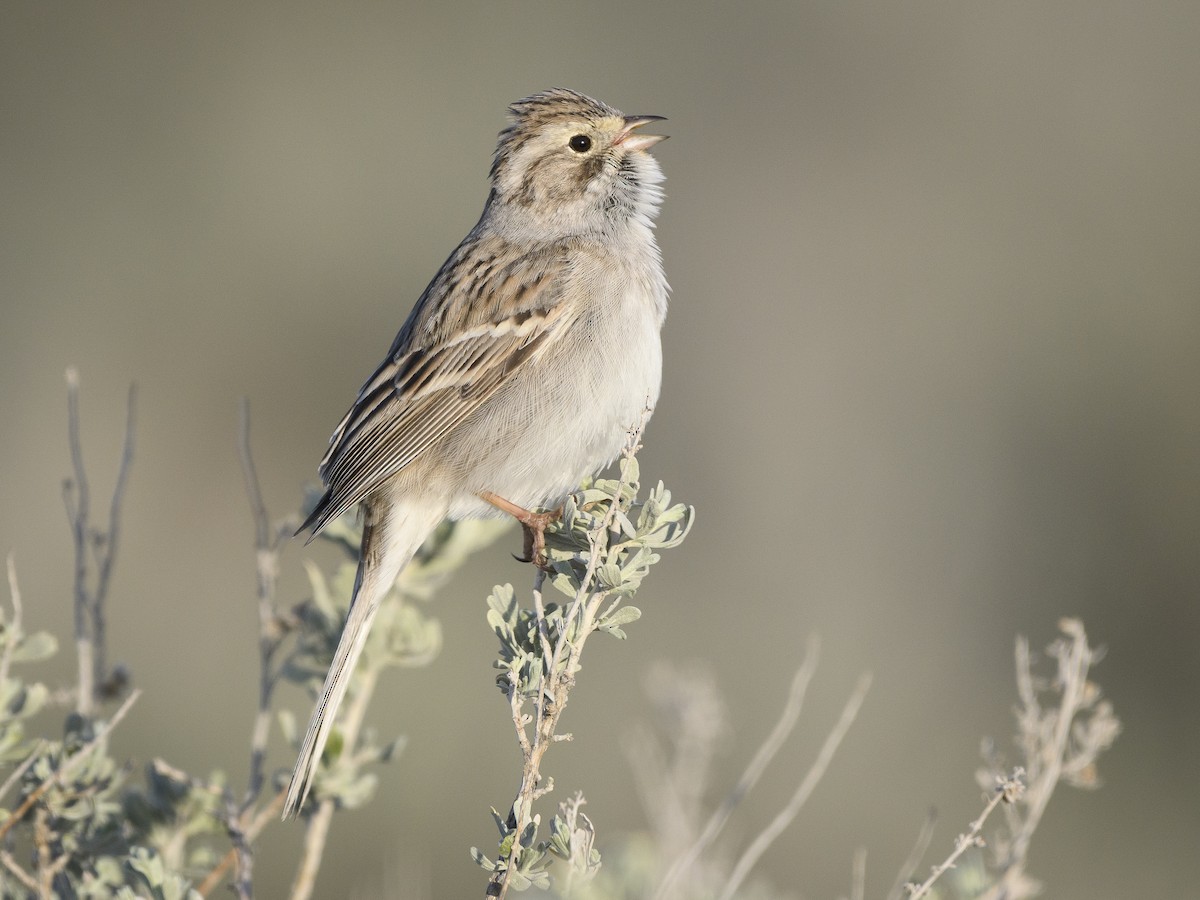
This special trip with CPW biologist Brett Walker enhanced our knowledge of and appreciation for local sagebrush ecosystems. Only remnants of this once extensive ecosystem remain in our mountain valleys, due largely to the fact that they once covered much of the valley floor which is where human development is concentrated. The existing sagebrush today is still home to the Brewer’s sparrow, one of the only sagebrush species that has a small home range and can inhabit relatively small, high-quality patches. We met at the extra early time of 5am in order to be in sagebrush habitat during the morning chorus when male Brewer’s sparrows sing their long songs at this time of year. After a quick briefing to help us understand what to listen for, we wandered into the sagebrush to hear the transition to the short song given by unpaired males. It was a thrill to hear these uncommon birds, which was fortunate, because they were keeping to the cover of the sagebrush canopy while singing and were difficult to see. We watched a few quick flights by birds that flew right through our group and a few of us also saw two Brewer’s sparrows engaged in a territorial chase. Meanwhile, Brett filled in the picture of this bird’s unique lift history and entertained us with stories from the field during his ongoing research.
After this prime patch of sagebrush, we made two additional birding stops. At a small pond and cattail marsh, we saw a sora and an old Bullock’s oriole nest. Next, we paused at another large patch of sagebrush where we found more Brewer’s sparrows, one of which was singing in view. At the boathouse, we had the opportunity to discuss topics of conservation, research approaches, policy, and life history surrounding Brewer’s sparrows and other birds of sagebrush ecosystems such as the greater sage grouse. While the group enjoyed tea, coffee, and pumpkin bread, Brett answered our many questions and we left feeling well-informed and energized with our new birding skills and naturalist backgrounds. We also left with an appreciation for the work that agencies like Colorado Parks and Wildlife do, and also a sense of the challenging realities of science and politics. Join us for the next Birding and Conversation field trip focused on birds and the future of our forests on June 17th with Adam McCurdy.
Species List:
Mallard
Northern Shoveler
Gadwall
Mexican Duck (probable Mexican x Mallard hybrid)
Broad-tailed Hummingbird
Sora
Spotted Sandpiper
Great Blue HEron
Red-tailed Hawk
Northern Flicker
Dusky Flycatcher
Woodhouse’s Scrub-Jay
Black-billed Magpie
American Crow
Common Raven
Tree Swallow
Violet-green Swallow
Northern Rough-winged Swallow
Mountain Chickadee
House Wren
Blue-gray Gnatcatcher
Mountain Bluebird
American Robin
Green-tailed Towhee
Spotted Towhee
Brewer’s Sparrow
Vesper Sparrow
Song Sparrow
Red-winged Blackbird
Western Tanager
~Rebecca Weiss, ACES Birding Guide
Featured Photo: Brewer’s Sparrow
Related Content

ACES Morning Birding at Hallam Lake 10/06/2026
Learn More
Fall Birding: Ranch at Roaring Fork 09/24/26
Learn More