November 13, 2025
RFV Phenology: Fall Buds
Adam McCurdy
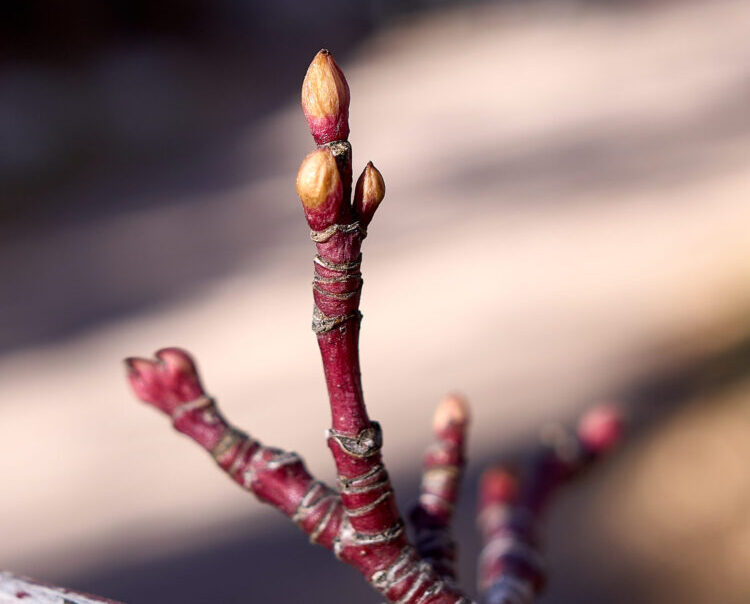
Searching for inspiration outside during November can be more challenging than on vibrant autumn days. However, if you look closely enough, there is beauty and hope to be found on every late fall outing. Just look to the new buds on shrubs and trees for the promise that green will return come spring.
Proper energy investment is key for year-round plant survival. During summer, when resources like sunlight and water are readily available, plants invest in growth and reproduction. When summer begins to fade, a plant’s investment strategy shifts. Shrubs and trees slow down growth of roots and shoots and reallocate their energy to producing next year’s buds. As the leaves change color and eventually drop, these buds are exposed.
Investing late-summer energy into bud production ensures success the following growing season. Buds are well adapted to survive the cold, full of sugars that prevent cell damage when temperatures drop. The right spring conditions cue the transition from “ready” to “go,” and the buds burst into leaves and flowers. The quick shift from winter dormancy to spring activity maximizes the time a plant can spend photosynthesizing during the short Rocky Mountain growing season. It’s kind of like having a burrito in your freezer ready to be heated up when you’re really hungry, saving you from having to cook.
Adam McCurdy
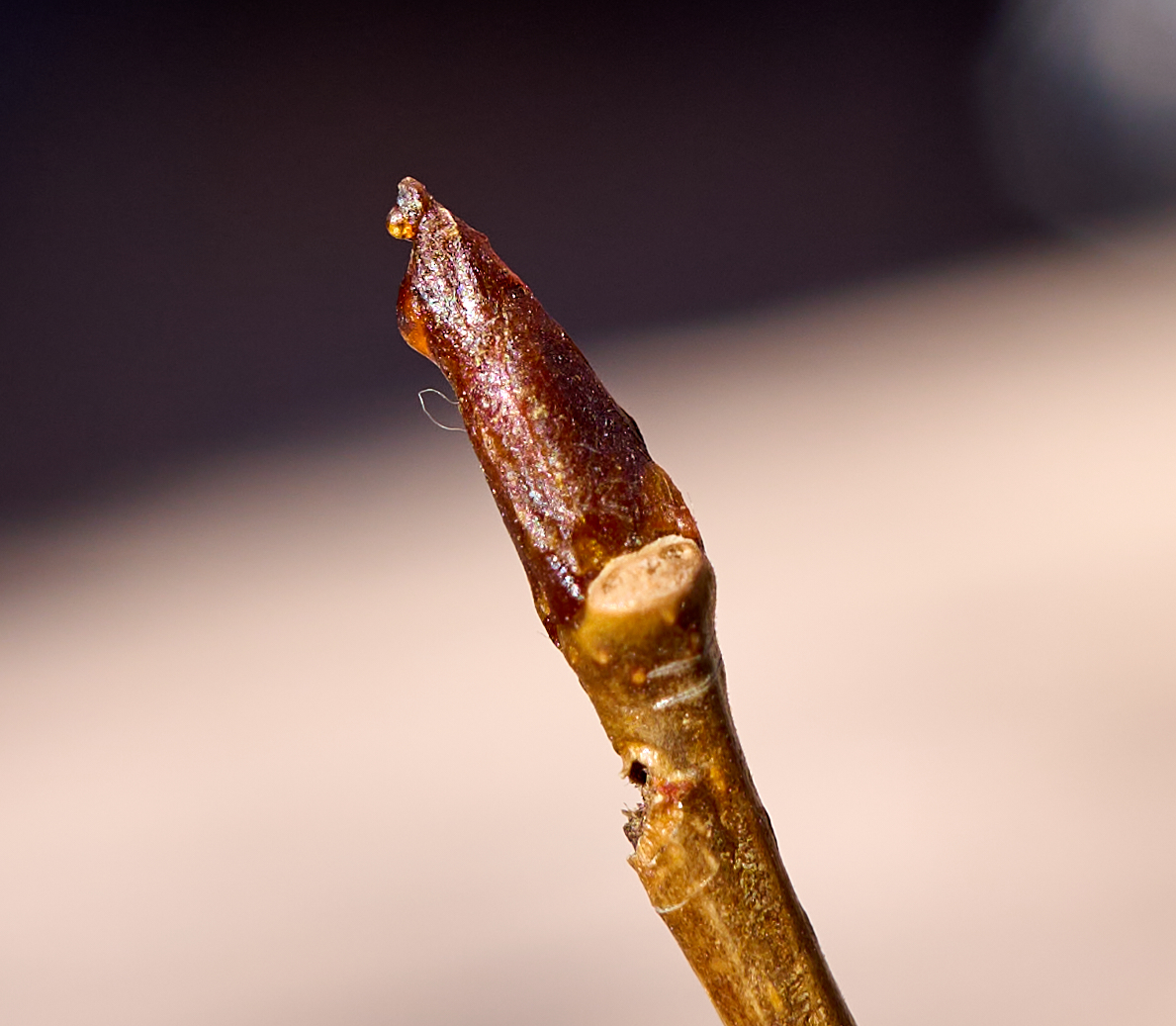
The presence of buds above the snowpack is a key to winter survival for many local animals. Moose, deer, and snowshoe hares can all be found munching on nutritious aspen and willow buds, affording them the ability to overwinter in cold, snowy environments.
As we navigate the time between peak autumn and the onset of ski season, keep an eye out for buds. I’ve been able to spot some on the aspen and cottonwood trees behind Toklat, as well as on some rose bushes, willows, and gooseberries. The buds remind me that through the short days and cold weather is the promise of warmth and vibrant spring flowers.
~Lydia Loof, ACES Naturalist
Resources:
Heinrich, Bernd. Winter World: The Ingenuity of Animal Survival. Ecco Press, 2009.
Lindroth, Richard L. 2001. Adaptations of Quaking Aspen for Defense Against Damage by Herbivores and Related Environmental Agents. USDA Forest Service Proceedings RMRS-P-18.