15 Best Hiking Trails in Aspen: A Complete Guide
ACES Team
July 21, 2026
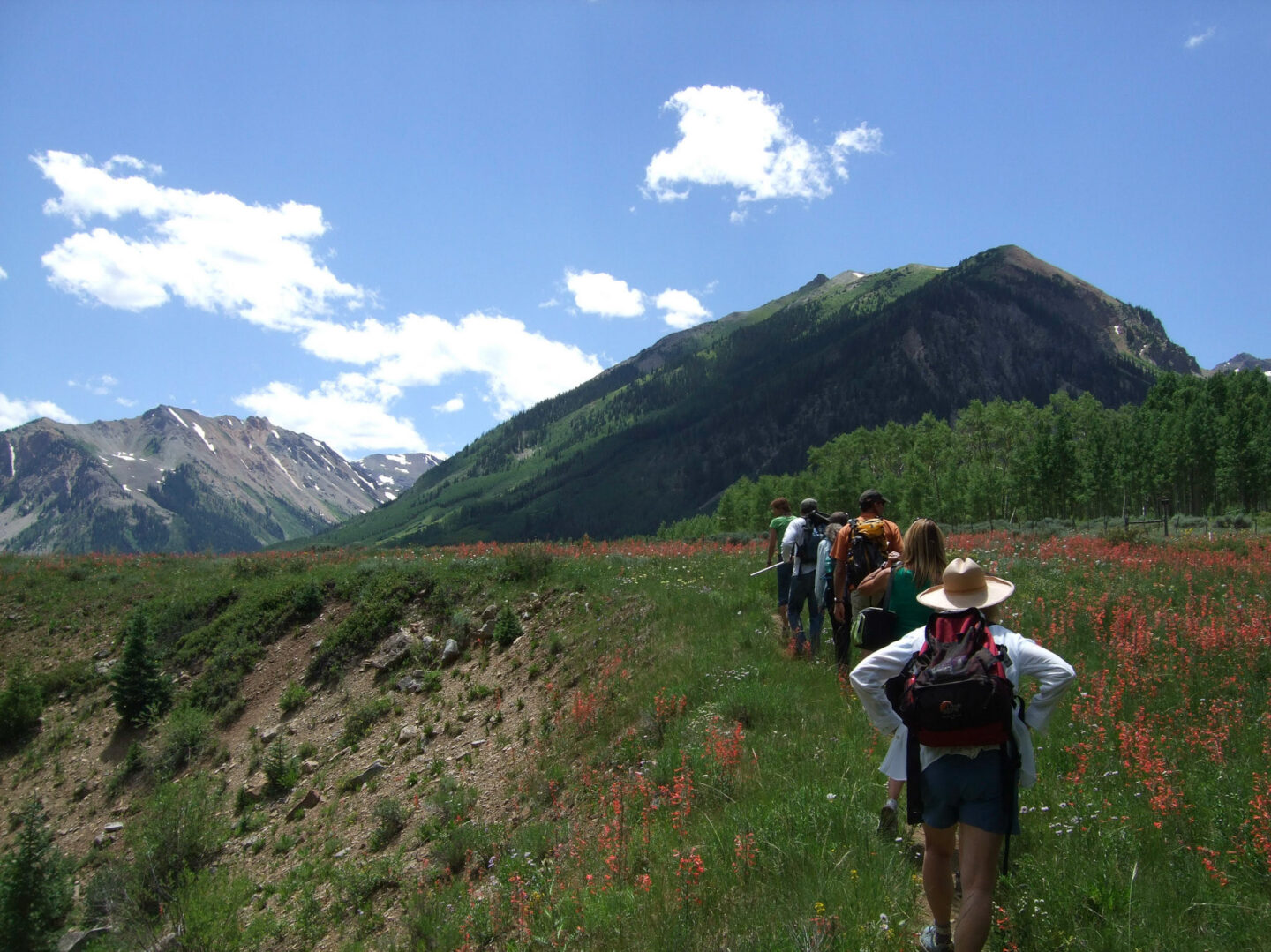
Few places offer the variety of landscapes and ecosystems just waiting to be explored in Aspen, Colorado. This incredible environment offers some of the most beautiful and remote hiking experiences across the country.
Within a single day, you can stroll alongside beaver wetlands, climb through groves of shimmering aspens, wander among wildflowers at treeline, or stand beside an alpine lake surrounded by rugged peaks. The landscapes morph into one another across differing elevations, geological makeups, and seasonal weather patterns – creating an extraordinary range of habitats with unique plants, wildlife, and character.
That’s part of what makes Aspen one of Colorado’s premier hiking destinations.
At Aspen Center for Environmental Studies (ACES), we believe the best outdoor experiences begin with understanding. The more closely you look, the more the landscape reveals itself. A patch of wildflowers becomes a lesson in adaptation. A distant elk herd is an insight into migration patterns. Even a quiet forest trail can reveal clues about Colorado flora and fauna changing throughout the seasons.
Whether you’re searching for easy hikes Aspen visitors of all ages can enjoy or challenging alpine adventures that reward every step of elevation gain, this Aspen trail guide will help you find the right experience.
What Makes Aspen Hiking Unique?

The Roaring Fork Valley sits at the intersection of several distinct ecosystems. As a result, Aspen hiking trails offer far more ecological diversity than many mountain destinations.
Alpine Ecosystems
Much of the hiking near Aspen eventually leads toward alpine terrain. Above the treeline, conditions become increasingly harsh. Growing seasons are short. Temperatures can change rapidly. Strong winds and intense sunlight create challenges for plants and animals alike. Yet life persists.
Alpine tundra supports an incredible variety of wildflowers, grasses, insects, and birds that have adapted to survive in one of Colorado’s most demanding environments. These high-elevation ecosystems are beautiful, but they’re also fragile. Learning how species survive in such extreme conditions can help Aspen visitors cultivate a deeper appreciation for the alpine landscapes.
Wildflowers and Wildlife
One of the joys of hiking near Aspen Colorado is that every season offers something different.
By early summer, wildflowers begin appearing across lower elevations. As snow recedes from higher terrain, entire mountainsides burst into color. Visitors may encounter columbine, lupine, Indian paintbrush, alpine sunflowers, and dozens of other species in bloom throughout the summer months.
And the wildlife is equally diverse.
Depending on where and when you hike, you may encounter mule deer, elk, marmots, pikas, red foxes, black bears, golden eagles, hummingbirds, and numerous songbirds. And here’s a special tip: early mornings and late evenings often provide the highest chances for wildlife spotting.
Seasonal Trail Conditions
Aspen summer hikes typically begin in earnest by late June, though snow can linger on higher-elevation trails well into July.
Summer offers the longest hiking season, peak wildflower displays, and access to many alpine destinations. Fall brings cooler temperatures, quieter trails, and the famous golden aspens that transform the valley each September.
Because mountain weather can change quickly, hikers should always prepare for shifting conditions, especially on trails that climb above treeline.
The 15 Best Hiking Trails in Aspen, Colorado
1. Maroon Lake Scenic Trail
- Difficulty: Easy
- Distance: Approximately 1 mile
- Elevation Gain: Minimal
- Best Season: June through October
Some trails ask for effort before revealing their beauty. Lucky for you, the Maroon Lake Scenic Trail delivers the jaw-dropping scenery without the back-breaking climb.
The gentle path around Maroon Lake offers some of the most recognizable mountain views in Colorado. Families, photographers, and casual hikers can experience the iconic Maroon Bells reflected in calm water without committing to an all-day mountain trek.
Beyond the scenery, the area supports wetlands, riparian habitat, and abundant birdlife. Look for waterfowl along the shoreline and songbirds moving through nearby vegetation.
Highlights:
- Maroon Bells views
- Wetland habitats
- Excellent photography
- Family-friendly terrain
2. Crater Lake Trail
- Difficulty: Moderate
- Distance: 3.6 miles round trip
- Elevation Gain: Approximately 700 feet
- Best Season: July through September
Crater Lake is often the first hike visitors associate with Aspen, and for good reason.
The trail climbs steadily through forests and rocky terrain before reaching a dramatic alpine basin beneath the towering slopes of the Maroon Bells. The final approach can feel otherworldly, with massive rock deposits left behind by ancient geologic forces surrounding the lake.
Along the way, hikers may encounter wildflowers, chipmunks, marmots, and occasional views of soaring raptors overhead.
Highlights:
- Alpine lake scenery
- Maroon Bells views
- Wildflower displays
- Wildlife viewing opportunities
3. Cathedral Lake
- Difficulty: Challenging
- Distance: 5.5–6 miles round trip
- Elevation Gain: Approximately 1,980 feet
- Best Season: July through September
The Cathedral Lake hike doesn’t waste time. The trail begins climbing almost immediately through dense forests of aspen and spruce before breaking above treeline into a landscape of alpine meadows, exposed rock, and high-elevation tundra. At the end of the climb sits the high-altitude Cathedral Lake, framed by steep cliffs and rugged mountain peaks.
For many experienced hikers, this is one of the most rewarding scenic hikes Aspen has to offer.
Wildflower displays are particularly impressive during mid-summer, while pika and marmots are common around rocky alpine areas.
Highlights:
- High-alpine lake
- Wildflower meadows
- Mountain vistas
- Alpine wildlife
4. American Lake Trail
- Difficulty: Challenging
- Distance: Approximately 6 miles, out and back
- Elevation Gain: Approximately 2,000 feet
- Best Season: July through September
If you’re willing to work for it, this trail is one of the most rewarding on our list. Tucked away in the Castle Creek Valley, American Lake feels a little more off-the-beaten-path than some of Aspen’s better-known destinations.
The trail climbs steadily through forests and open meadows before reaching a pristine alpine lake surrounded by dramatic mountain scenery. During peak summer, wildflowers blanket portions of the route, attracting pollinators and painting bursts of color against the surrounding peaks.
Because this trail receives less traffic than some of the area’s marquee hikes, wildlife encounters are even more likely. Keep an eye out for marmots sunning themselves on rocks and raptors taking flight in the skies overhead.
Highlights:
- Alpine lake destination
- Wildflower displays
- Fewer crowds
- Expansive mountain views
5. Grottos Trail
- Difficulty: Easy
- Distance: 0.5 miles
- Elevation Gain: Minimal
- Best Season: Late spring through fall
Not every memorable hike requires a major climb. Located along Independence Pass, the Grottos Trail offers one of the easiest and most accessible ways to experience the power of mountain water and how it has shaped this landscape over millions of years. The short trail winds past unusual rock formations, waterfalls, pools, and smooth granite sculpted by centuries of rushing runoff.
Families often gravitate here because the hike is brief, but don’t underestimate the amount of time you can spend here. Geology enthusiasts and water lovers may find themselves lingering longer than expected.
Highlights:
- Waterfalls and pools
- Unique geological features
- Family-friendly access
- Excellent roadside stop
6. Hunter Creek Trail
- Difficulty: Easy to Moderate
- Distance: 1.8 miles (one-way), starting at downtown Aspen
- Elevation Gain: 460-1100 ft.
- Best Season: June through October
Conveniently located just beyond downtown Aspen, Hunter Creek offers one of the area’s most accessible and rewarding hiking experiences. Depending on your route, the hike can be a gentle walk through the meadows of Hunter Creek Valley or a longer loop with additional elevation gain and mountain views.
The trail passes through a variety of habitats, including open hillsides, aspen groves, and dense forests, showcasing the ecological diversity that makes this area a favorite for both naturalists and serious hikers. Along the route, visitors can enjoy sweeping views of the surrounding landscape while learning about the rich natural and human history of the valley.
Highlights:
- Easy access from downtown Aspen
- Meadows, forests, and diverse mountain habitats
- Scenic valley and mountain views
- Opportunities to learn about local ecology and history
- Flexible route options for a variety of ability levels
7. Independence Pass Trails
- Difficulty: Varies
- Distance: Multiple options
- Elevation Gain: Varies
- Best Season: July through September
Independence Pass is not just a single hike; this area offers an entire collection of alpine adventures.
At over 12,000 feet, the pass provides access to some of Colorado’s most spectacular high-elevation landscapes. You can find a whole range of short interpretive walks, moderate alpine hikes, and longer backcountry routes that all begin here.
During summer, tiny alpine plants bloom across rocky slopes that remain snow-covered for much of the year. White-tailed ptarmigan, pika, and marmots thrive amongst these harsh conditions. The Independence Pass grants visitors a glimpse into one of North America’s most specialized and enduring ecosystems.
Highlights:
- Alpine tundra
- Wildflower displays
- High-elevation wildlife
- Exceptional mountain views
8. Hunter–Smuggler Loop
- Difficulty: Moderate
- Distance: 4.8 miles round trip
- Elevation Gain: 1,100 ft
- Best Season: Late Spring through Fall
Just minutes from downtown Aspen, the Hunter–Smuggler Loop combines rushing creeks, mountain meadows, wildflowers, and panoramic views into one truly memorable loop. The route follows Hunter Creek through cottonwood and aspen groves before climbing into the upper valley between Red Mountain and Smuggler Mountain.
Along the way, hikers traverse a variety of habitats, including riparian corridors, forests, and open meadows that burst with wildflowers during the summer months. At the high point of the loop, expansive views stretch as far as downtown Aspen and all four of the area’s ski mountains. The return trip follows the historic Smuggler Mountain mining road, adding a rare look into the region’s mining heritage.
Highlights:
- Hunter Creek and riparian habitats
- Aspen groves and wildflower-filled meadows
- Views of Aspen and the surrounding ski mountains
- Historic mining-road descent
- Diverse landscapes packed into a single loop
9. Rio Grande Trail
- Difficulty: Easy
- Distance: Flexible
- Elevation Gain: Minimal
- Best Season: Spring through Fall
Not every outdoor adventure in the Roaring Fork Valley requires a strenuous climb. The Rio Grande Trail follows a former rail corridor through the heart of the valley, offering an accessible way to explore local landscapes by foot or bike on primarily asphalt surfaces.
One notable stop along the route is ACES’ Rock Bottom Ranch, a 113-acre wildlife preserve and educational ranch located between Basalt and Carbondale. This ranch provides opportunities to learn about sustainable agriculture, wildlife habitat, and the relationship between working landscapes and natural ecosystems.
As the trail winds through the valley, visitors pass riparian habitats, wetlands, agricultural lands, and open fields that support the survival of a wide variety of birds and wildlife. Combined with destinations like Rock Bottom Ranch, the Rio Grande Trail offers a unique perspective on both the natural and cultural history of the Roaring Fork Valley.
Highlights:
- Easy, family-friendly terrain
- Access to ACES’ Rock Bottom Ranch
- Riparian habitats and wildlife viewing opportunities
- Sustainable agriculture and environmental education
- Flexible route options for walking, running, and cycling
10. Sunnyside Trail
- Difficulty: Challenging
- Distance: Approximately 11.6 miles, out and back
- Elevation Gain: Approximately 2,700 ft
- Best Season: Spring through fall
The name says a lot. Sunnyside Trail climbs through south-facing slopes that receive abundant sunlight throughout the growing season. The result is a landscape rich with wildflowers, grasses, and unbeatable views of the surrounding mountains.
Because of its exposure, this trail often dries out earlier than many nearby routes, making it a popular option during shoulder seasons when other trails might be overcome with snow.
Highlights:
- Early-season access
- Wildflowers
- Mountain views
- Moderate challenge
11. Difficult Campground Trails
- Difficulty: Easy to Moderate
- Distance: Varies
- Elevation Gain: Varies
- Best Season: Summer through fall
Despite its intimidating name, Difficult Campground is the starting point for a variety of accessible hiking trails.
Located along Independence Pass, the area gives access to forests, streams, and scenic mountain terrain. It’s an excellent place for visitors who are hoping to explore the area’s ecosystems at a slower pace. And here’s a special tip: keep your eyes peeled for signs of wildlife activity along waterways and forest edges.
Highlights:
- Flexible route options
- Forest and stream habitats
- Family-friendly possibilities
- Convenient access
12. Lost Man Loop
- Difficulty: Challenging
- Distance: Approximately 9 miles
- Elevation Gain: Approximately 1,390 feet
- Best Season: July through September
Many experienced hikers consider Lost Man Loop one of the finest hikes near Aspen Colorado. It may not be easy, but the views are worth it.
The route crosses through incredible alpine basins, high meadows, streams, and mountain passes, and all along the way, hikers are able to enjoy a remarkable variety of scenery. During peak wildflower season, entire sections of the trail are vibrant with the blooms.
Because much of the route sits at higher elevation, weather can change quickly, so remember that proper preparation is essential for safe outdoor recreation.
Highlights:
- Outstanding wildflowers
- Alpine lakes and streams
- Diverse ecosystems
- Full-day adventure
13. Ute Trail
- Difficulty: Challenging
- Distance: Approximately 3.1 miles (to the top of Aspen Mountain), 0.9 miles to Ute Rock Overlook
- Elevation Gain: Roughly 3,200 feet
- Best Season: Late spring through fall
The Ute Trail is short on mileage but generous with elevation gain, so make sure you are prepared and energetic when you take on this steep journey.
The climb begins directly from Aspen and quickly gains height through a series of steep switchbacks. While the ascent can be demanding, the payoff packs an even greater punch because of all your hard work. Arrive at the summit and take in the incredible views over the Roaring Fork Valley.
For hikers seeking a workout close to town, this trail delivers exactly what you’re looking for.
Highlights:
- Significant elevation gain
- Valley views
- Convenient access
- Strong fitness challenge
14. Linkins Lake Trail
- Difficulty: Moderate
- Distance: Approximately 1.2-1.4 miles
- Elevation Gain: Approximately 500 feet
- Best Season: Summer through early fall
Linkins Lake combines many of the elements hikers come to Aspen searching for: forests, wildflowers, mountain scenery, and an alpine lake destination to make it all worthwhile.
This particular trail passes through aspen groves and evergreen forests before arriving at a quiet lake hidden amongst the rugged terrain. Summer wildflowers are abundant, and bird activity is high throughout the season. The lake is a great spot to stop and enjoy the afternoon scenery.
Highlights:
- Alpine lake
- Aspen groves
- Wildflower viewing
- Moderate difficulty
15. North Star Nature Preserve Trails
- Difficulty: Easy
- Distance: 6.3 miles
- Elevation Gain: 262 ft
- Best Season: Spring through fall
If you are interested in ecology as much as recreation, North Star Nature Preserve deserves a place on your Aspen trail guide.
The preserve exists to protect the wild wetlands, riparian corridors, and diverse habitats along the Roaring Fork River. Walking paths give wanderers ample opportunity to observe birds, beavers, native vegetation, and the complex ecological processes that support life throughout this valley.
Highlights:
- Wildlife viewing
- Wetland ecosystems
- Birding opportunities
- Family-friendly access
Best Family-Friendly Hikes in Aspen
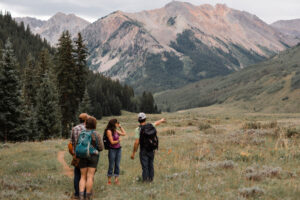
Not every outing needs to involve steep climbs or all-day adventures. If you’re bringing the whole family for an outdoor adventure in Aspen, there are plenty of accessible options to accommodate everyone.
Families visiting Aspen often find that some of the most memorable moments occur on shorter trails where there’s time to stop, explore, and ask questions along the way.
Great hiking options in Aspen for families include:
- Maroon Lake Scenic Trail
- Grottos Trail
- Rio Grande Trail
- North Star Nature Preserve
- Select trails near Difficult Campground
These hikes offer manageable distances, interesting natural features, and opportunities to observe wildlife, streams, wetlands, and wildflowers without requiring too much strenuous elevation gain – so you can enjoy the landscape at your own pace.
Best Advanced Hiking Trails Near Aspen
While Aspen offers plenty of accessible hikes, some of the region’s most iconic experiences require a little more effort.
Higher elevations, longer distances, and steeper climbs can reward hikers with incredible payoffs. There’s no better feeling than a hard trek that leads up to a scenic spot. In Aspen, that means alpine lakes, wildflower-filled basins, and views that stretch across the Elk Mountains.
Experienced hikers in Aspen should consider:
- Cathedral Lake
- American Lake
- Lost Man Loop
- Ute Trail
Guided Hiking Experiences with ACES
Hiking in Aspen is about more than just exercise. Hiking in these mountains means an opportunity for ecological understanding, immersion, and awe.
The landscapes surrounding Aspen are beautiful on their own, but they become even more meaningful when viewed through the lens of ecology, geology, wildlife, and conservation. That’s where ACES comes in.
ACES Naturalist-Guided Hikes
Many people hike through Aspen’s forests, meadows, and alpine environments without ever realizing the extent of the ecological web occurring all around them. An ACES Naturalist Guided Tour helps bring those stories to life.
Whether you’re walking through an aspen grove, standing beside a mountain stream, or climbing toward alpine tundra, ACES guides help explain how ecosystems function and how wildlife, geology, climate, and vegetation interact to shape the landscape.
A patch of wildflowers becomes a living example of pollination in action, where bees, butterflies, and other insects move between blooms and sustain the alpine ecosystem. Tracks along a streambank reveal which animals moved through the area recently, offering clues about feeding patterns, travel routes, and habitat use. A distant rock formation illustrates the area’s geologic history, showing layers and structures formed through uplift, erosion, and long-term mountain-building processes.
Every outing is designed to deepen your understanding of the natural world, enhancing your exploration along some of the region’s most beautiful trails.
Wildlife and Ecology Learning
The Roaring Fork Valley is home to an extraordinary diversity of species and habitats.
Along the trail, visitors may learn how beavers shape wetlands and influence stream systems, how migratory birds move through mountain corridors during seasonal transitions, how wildflowers survive above treeline in alpine conditions, or how changing climate patterns are affecting high-elevation ecosystems.
A hike becomes much more than just a hike when you actually understand what you’re seeing.
Visitors interested in ecology-focused outdoor experiences can also explore ACES’ Summer Guided Hikes, which combine recreation with environmental education and natural history.
Private Guided Experiences
Private guided hikes allow you to tailor the experience to your interests, pace, and goals.
Whether you’re interested in birding, wildlife tracking, wildflower identification, photography, geology, or simply exploring Aspen with an expert naturalist, ACES can create a personalized outdoor experience that connects you more deeply to the landscape.
For those looking to continue exploring beyond the trails, Hallam Lake Nature Preserve offers year-round opportunities for wildlife viewing, nature walks, and environmental education in the heart of Aspen.
You can also discover additional programs and outdoor experiences through ACES Activities.
Hiking Safety and Leave No Trace Tips
One of the reasons Aspen remains such a remarkable place to hike is because generations of visitors have helped protect the landscapes they enjoy.
Responsible recreation helps ensure these trails, ecosystems, and wildlife habitats remain healthy for years to come. Here are some important things to be aware of before you take to the trails:
Altitude Awareness
Many Aspen hiking trails begin above 8,000 feet, and some climb well above 12,000 feet.
Visitors arriving from lower elevations should give themselves time to acclimate.
Common symptoms of altitude sickness include:
- Headache
- Fatigue
- Dizziness
- Nausea
- Shortness of breath
Drink plenty of water, pace yourself, and consider starting with shorter hikes before tackling more demanding routes.
Afternoon Storms
Summer mornings often begin with blue skies and calm conditions. But by afternoon, thunderstorms can develop rapidly, particularly at higher elevations. Don’t let these storms take you by surprise.
Whenever possible:
- Start hikes early
- Plan to be below treeline by early afternoon
- Monitor weather forecasts
- Carry rain layers
- Avoid exposed ridges during storms
Lightning is a serious hazard in Colorado’s mountains, and it is important to remain vigilant on the trails.
Wildlife Encounters
Wildlife sightings are often among the most incredible parts of hiking in Aspen. However, it’s important to be aware of safety measures when encountering a wild species. Remember that these creatures may not be used to humans, and wildlife requires space to remain healthy and wild.
Remember to:
- Observe animals from a distance
- Never feed wildlife
- Store food securely
- Keep dogs under control where permitted
- Respect seasonal wildlife closures and advisories
A successful wildlife encounter means leaving no impact on the animal.
Trail Etiquette
The simplest conservation practices are often the most important. There are unwritten rules to follow when visiting protected lands. Please stay on designated trails, avoid shortcuts, and pack out everything you bring with you.
Following the Leave No Trace principles helps to:
- Protect fragile vegetation
- Reduce erosion
- Preserve wildlife habitat
- Maintain trail quality
- Support long-term ecosystem health
The goal is simple: leave the trail as if no one had been there at all, so these wild ecosystems can stay wild, and we can keep coming back to appreciate it.
Frequently Asked Questions:
What is the best hike in Aspen?
That really depends on what you’re looking for.
For iconic scenery, many visitors choose Crater Lake or the Maroon Lake Scenic Trail. More experienced hikers often rank Cathedral Lake and Lost Man Loop as some of the best hiking trails in Aspen, especially due to their alpine scenery and ecological diversity.
Are Aspen hikes dog-friendly?
Many trails around Aspen allow dogs, though regulations vary by location and land management agency.
Always check current trail-specific regulations and keep dogs under control to minimize impacts on wildlife and other visitors.
When is hiking season in Aspen?
Most Aspen summer hikes are accessible from late June through September.
Lower-elevation and sun-exposed trails may open earlier in spring, while some high-elevation routes can retain snow well into summer. Fall hiking remains excellent through September and often into October, depending on weather conditions.
Experience Aspen One Step at a Time
The best hikes near Aspen Colorado offer more than exercise and mountain views; they provide an opportunity to slow down and notice things that often go overlooked.
A hummingbird feeding among wildflowers. Fresh tracks along a muddy streambank. The subtle transition from aspen forest to spruce-fir woodland. A pika gathering food for winter among alpine rocks.
These details tell the story of a living landscape.
The trails around Aspen weave through wetlands, forests, meadows, and alpine tundra, connecting visitors to ecosystems that have been shaped by thousands of years of natural processes. Every season reveals something new, whether it’s spring runoff rushing through mountain valleys, wildflowers blooming above treeline, or golden aspens lighting up entire hillsides in autumn.
The next time you head out on one of Aspen’s scenic hiking trails, take a moment to look beyond the destination.
Notice how the landscape changes as you climb. Listen for birds moving through the trees. Watch how water shapes the valleys below. Consider the countless species that depend on these habitats to survive.
The more closely we pay attention, the more we understand that conservation and recreation are not separate ideas. One makes the other possible.
At ACES, we invite you to explore Aspen with curiosity, respect, and a commitment to environmental education and conservation.
Related Content
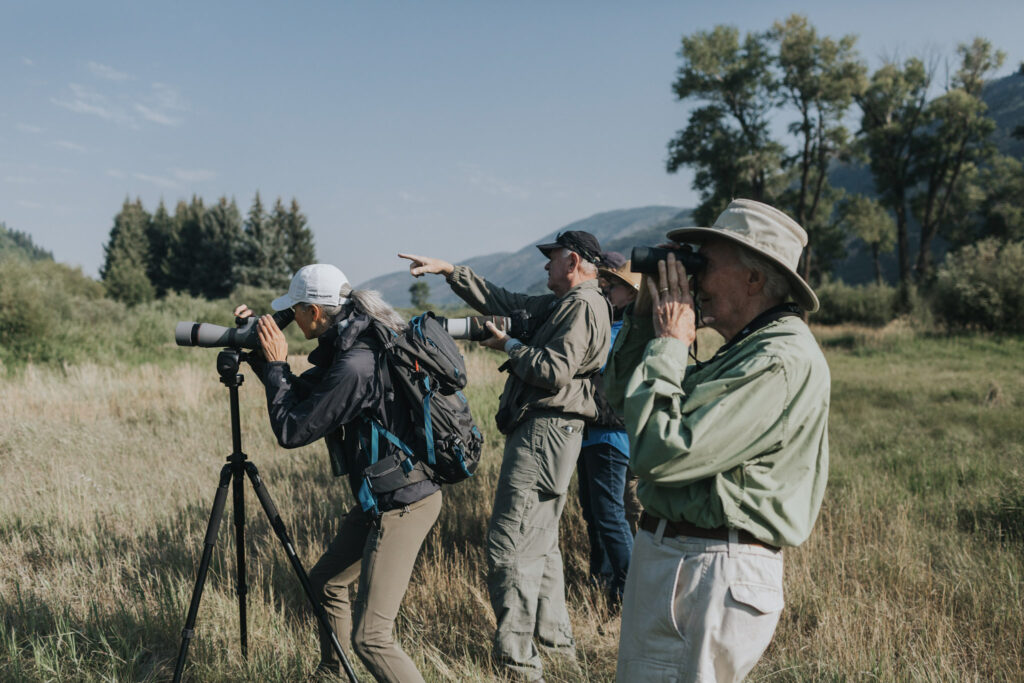
Patch Birding: Explore Your Local Birding Spot
Learn More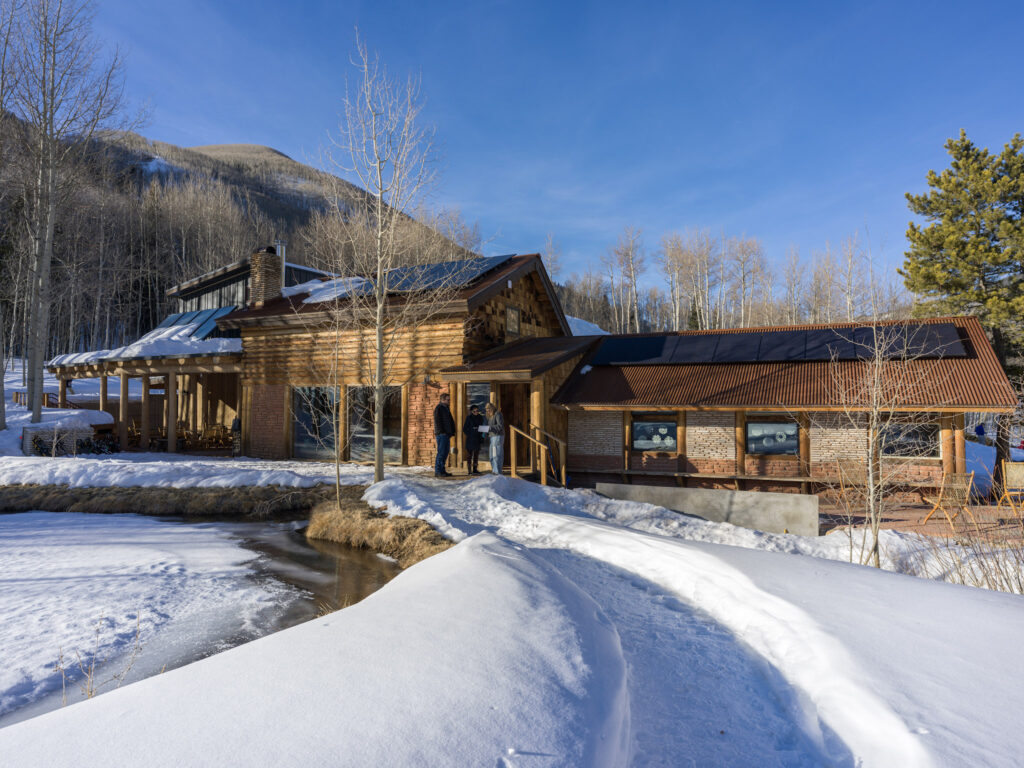
Toklat: A Private Retreat and Tour Destination in Aspen's Castle Creek Valley
Learn More