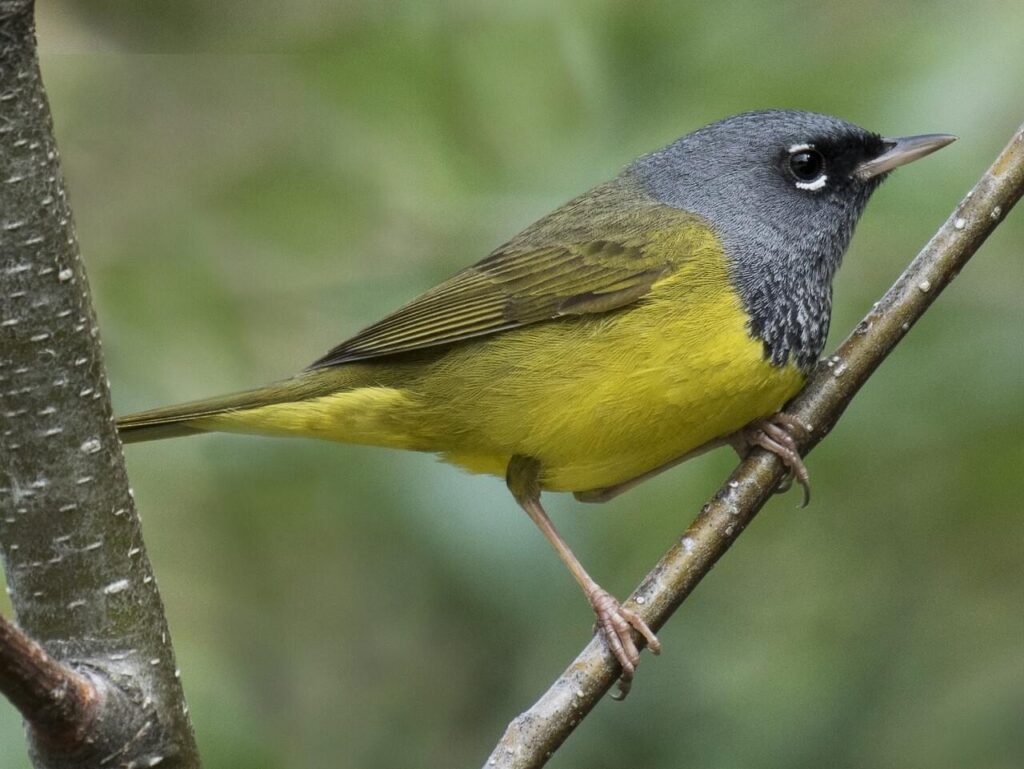
Patch Birding: Explore Your Local Birding Spot
ACES Team
September 21, 2026
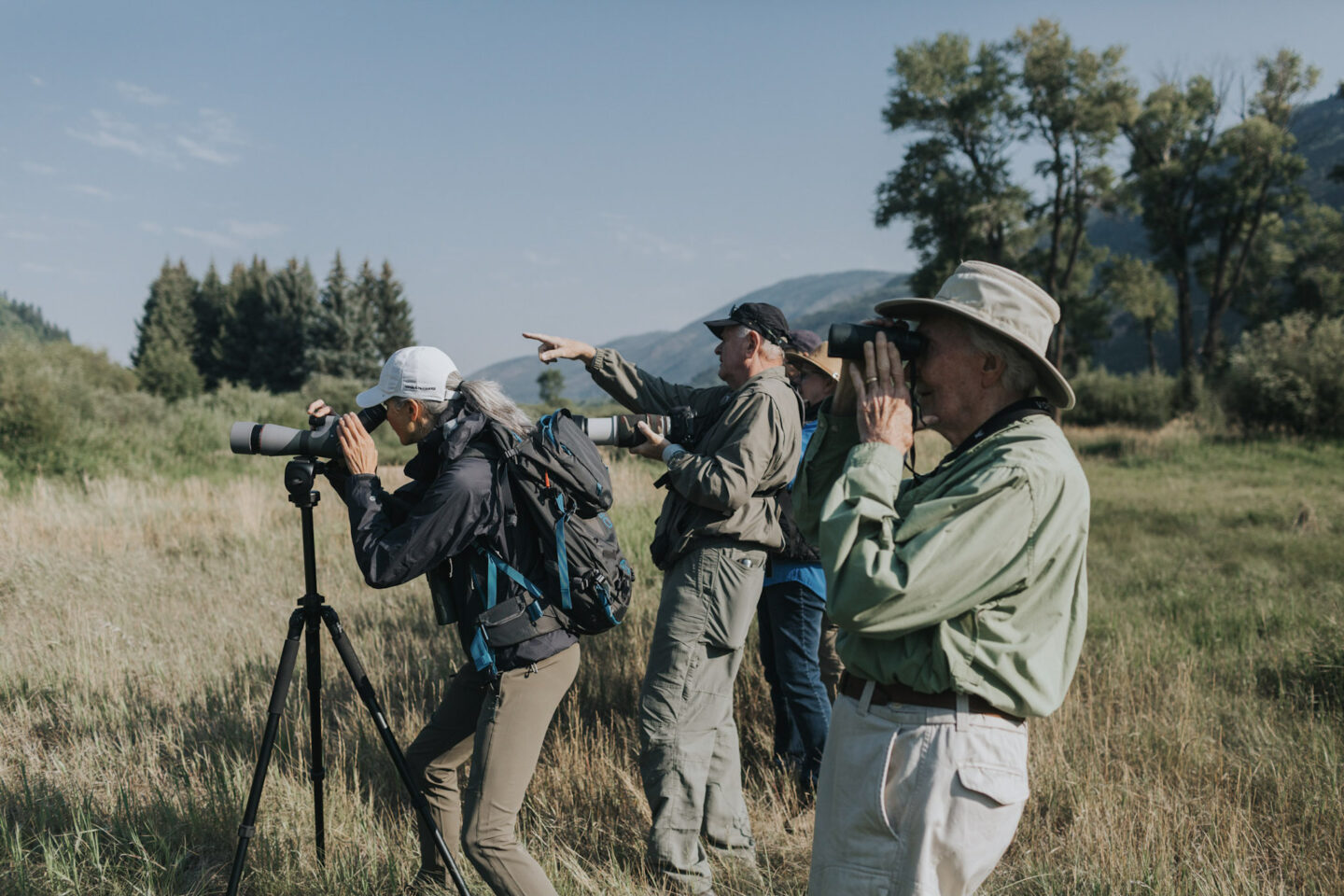
Some of the best birding happens close to home, which is the whole idea behind patch birding. Instead of chasing rare sightings across the state, you pick one spot near where you live, return to it often, and get to know it the way you’d get to know a neighbor. In the Roaring Fork Valley, that patch might be a half-mile loop trail, a working ranch, or a stretch of river you already pass on a morning walk. Over a season, you start noticing which birds arrive first in spring, which stay through winter, and which only pass through for a few weeks on their way somewhere else.
What Is Patch Birding?
Patch birding means returning to the same local area again and again instead of spreading your attention across a dozen distant destinations. Birders call it a home patch, and the appeal is depth rather than a checklist.
The Benefits of Staying Local
A regular patch fits into daily life more easily than a full day trip, and it lets you notice change over time, like the exact week hummingbirds show up or when Osprey migrate. There’s a community side to it too. The valley has an active local birding scene, including the ACES Bird Club and the Roaring Fork Audubon Chapter, and showing up at the same spots regularly is an easy way to start trading notes with birders who already know the area.
Finding Birds in Your Area
A good home patch doesn’t need to be exotic. It just needs to be somewhere you’ll actually go back to.
Using Local Birding Guides
ACES runs ongoing birding programs that double as an introduction to strong local patches. Tuesday Birding at Hallam Lake and Tuesday Birding at Rock Bottom Ranch welcome birders of every level, and learning a location alongside a guide is a low-pressure place to start. The Birding Resources page also links out to the Cornell Lab of Ornithology, BirdCast migration forecasts, and eBird for tracking what’s moving through the valley before you head out.
A few ACES locations make especially good patches:
- Hallam Lake Nature Preserve: A 25-acre preserve in downtown Aspen, donated to ACES in 1968, with a half-mile loop trail and borrowable binoculars. Regulars log Osprey, Broad-tailed Hummingbirds, Black-capped Chickadees, Cedar Waxwings, and American Robins across the seasons.
- Rock Bottom Ranch: A 113-acre working ranch between Basalt and Carbondale, where wetlands and cottonwood bottomlands draw herons, hawks, and owls alongside the farm animals.
- North Star Nature Preserve: A riparian stretch along the Roaring Fork River near downtown Aspen, managed with Pitkin County Open Space and Trails, with an easy half-mile to one-mile trail suited to a quick morning visit.
- Pitkin County Open Space parcels: ACES also leads seasonal outings on other county and city land, such as Birding by Habitat at Airport Radar Road, a reminder of how much variety exists on open space you may already drive past.
How to Choose and Explore Places to Bird Watch
Picking a patch comes down to proximity and habitat variety. Water, whether a pond, river, or wetland, tends to pull in more species than a single habitat on its own, which is part of why Rock Bottom Ranch and Hallam Lake both attract such a range of birds. Choose somewhere you can reach often, and visit across different seasons before deciding a quiet spot isn’t worth a second look.
Tips for Successful Bird Watching
- Go early. Birds are most active in the first couple hours after sunrise, with a smaller peak in the evening.
- Move slowly and pause often. Birds often reveal themselves by sound or movement before you spot them.
- Learn a few common calls. Recognizing even three or four local species by ear will help you notice birds you’d otherwise miss.
- Keep a simple log. Apps like eBird turn a casual walk into real patch birding, and your sightings feed useful conservation data.
- Borrow binoculars if you need to. ACES keeps a pair on hand at Hallam Lake, and guided outings like Tuesday Birding typically supply them too.
Frequently Asked Questions
- What is patch birding? Birding regularly at one local spot instead of a different location every time, building familiarity with a place across a season rather than collecting one-time sightings.
- How can I find bird watching spots near me? Start with protected land you already know, like a nearby preserve or open space parcel with varied habitat. Hallam Lake, Rock Bottom Ranch, and North Star Nature Preserve are established starting points, and a guided outing like Tuesday Birding is an easy way to learn a new one.
- What are the best times for bird watching? Early morning, within a couple hours of sunrise, is usually most active, with a smaller window in the evening. Spring and fall migration also bring more species through than a typical summer or winter week.
Start Building Your Patch
The best local birding spot is the one you’ll actually return to. Pick a patch, whether that’s Hallam Lake on a lunch break, a Tuesday morning at Rock Bottom Ranch, or a quick loop through North Star before work, and give it time. The valley’s birdlife shifts week to week, and the only way to notice is to keep showing up.
Join a Tuesday Birding outing, consider the ACES Bird Club for year-round access, and explore the full Birding Resources page for guides, checklists, and citizen science projects to get started.
Related Content
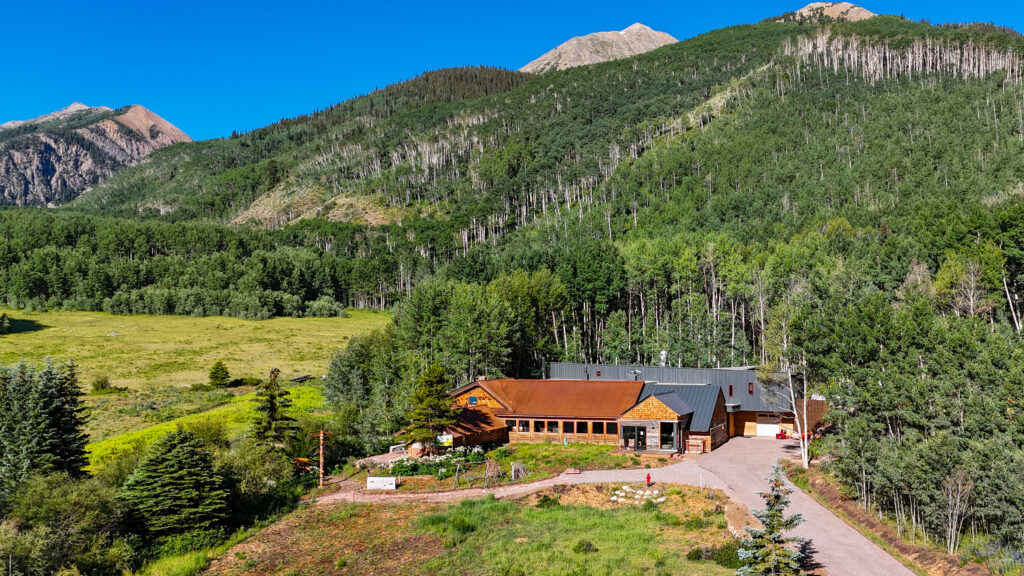
Wildlife and Conservation Biology Programs at ACES: A Guide
Learn More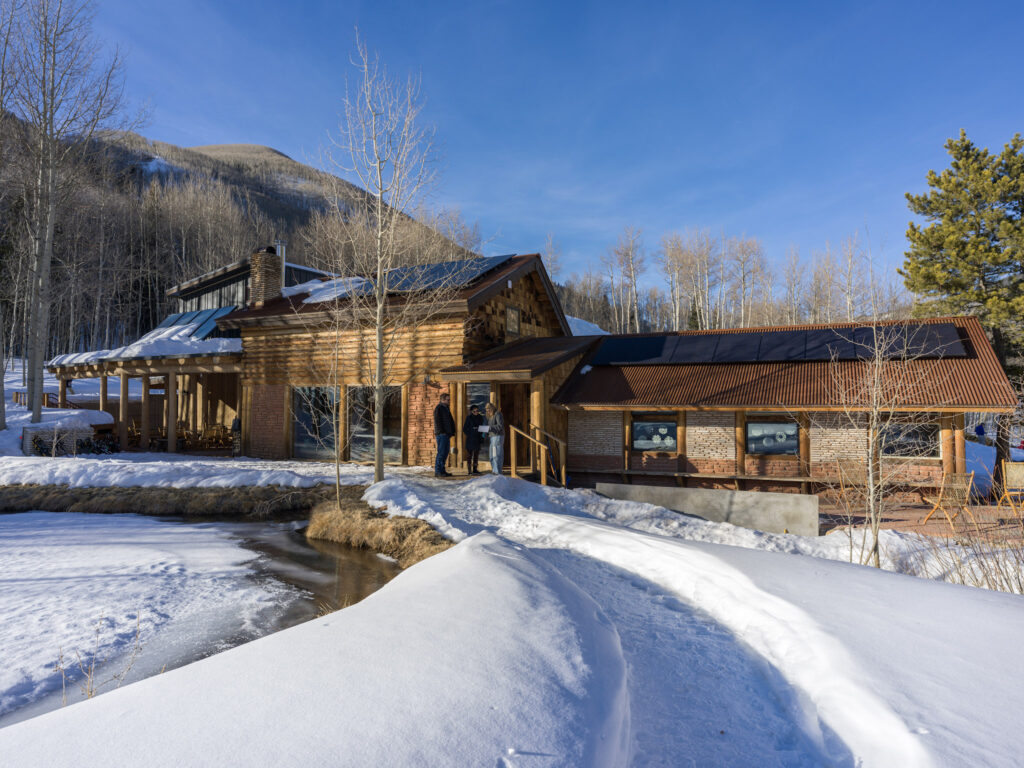
Toklat: A Private Retreat and Tour Destination in Aspen's Castle Creek Valley
Learn More