5 Key Benefits of Outdoor Environmental Education for Children
ACES Team
August 11, 2026
5 Key Benefits of Outdoor Environmental Education for Children
Most parents aren’t simply looking to reduce their child’s screen time—they’re hoping to raise someone who’s curious, resilient, and connected to the world around them. It turns out all those goals share a surprisingly simple path: time outside, done with intention.
There’s a growing body of research behind this, and there’s also fifty-plus years of watching it happen in person. The Aspen Center for Environmental Studies has run environmental education programs across the Roaring Fork Valley since 1968, and our mission has stayed remarkably steady the whole time: educating for environmental responsibility. Not just teaching facts about the environment — teaching people to feel responsible for it.
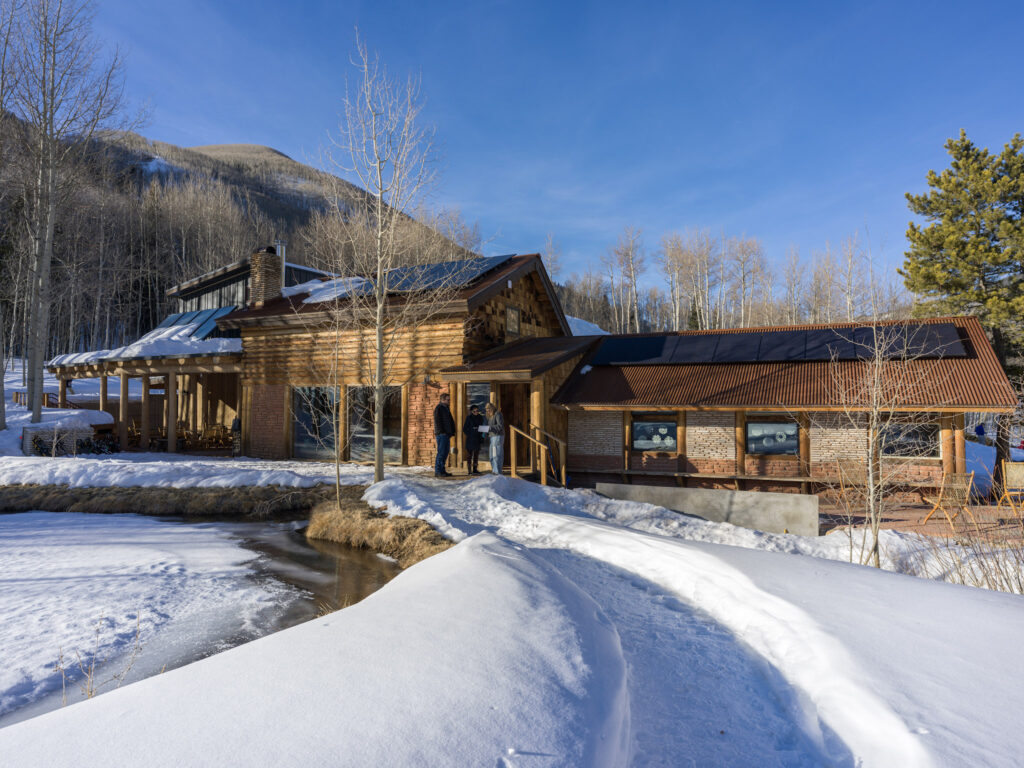
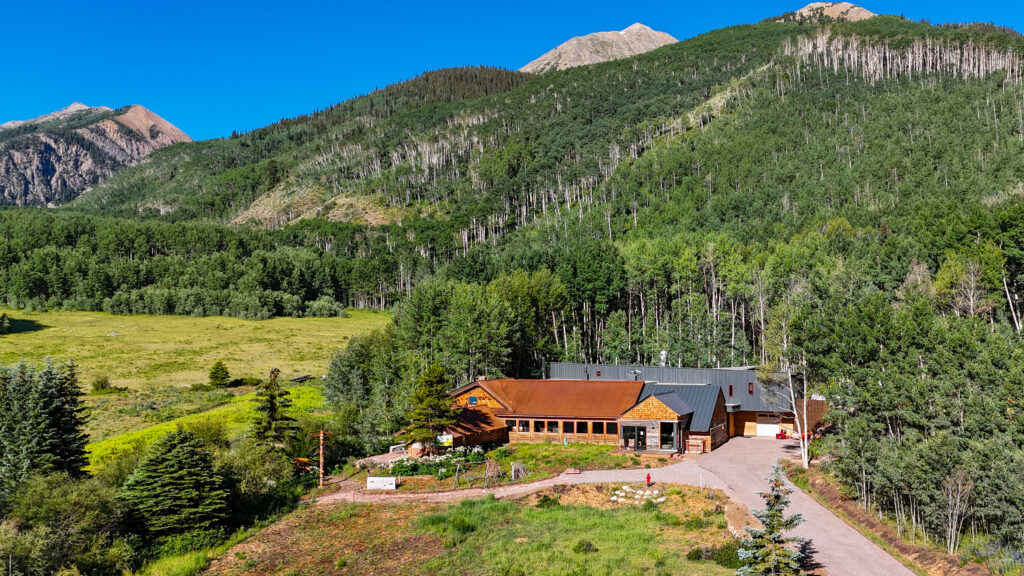
Below are five benefits we see play out, season after season, at Hallam Lake, Rock Bottom Ranch, and Toklat. None of these are abstract. Each one shows up in specific, observable ways in kids who spend real time outdoors.
Benefit 1: Stronger Connection to the Natural World
What Ecological Literacy Looks Like in Children
Ecological literacy isn’t memorizing the water cycle diagram. It’s a kid who notices that the creek is lower than last week and asks why. It’s understanding, intuitively, that the aspen grove and the elk herd and the beaver dam are all part of one system — not separate facts to file away.
How Place-Based Learning Builds Environmental Identity
Kids who learn about their watershed, their mountain, their backyard develop something researchers call environmental identity — a sense that this landscape is theirs to know and protect. That’s a very different relationship than learning about “the rainforest” from a textbook a thousand miles away. Our Nature Explorers Family Class and free naturalist-guided hikes are built entirely around this idea — learn the place you actually stand in.
Benefit 2: Improved Cognitive Development and Academic Performance
How Outdoor Learning Supports Focus and Retention
There’s something about learning a concept while being immersed in it — measuring a tree’s age while touching its bark, watching a food web unfold in real time at a pond — that seems to stick better than the same concept on a worksheet. Outdoor time has also been linked to improved attention and reduced mental fatigue, which matters as much for a distracted ten-year-old as it does for any adult.
Science, Observation, and Inquiry in the Field
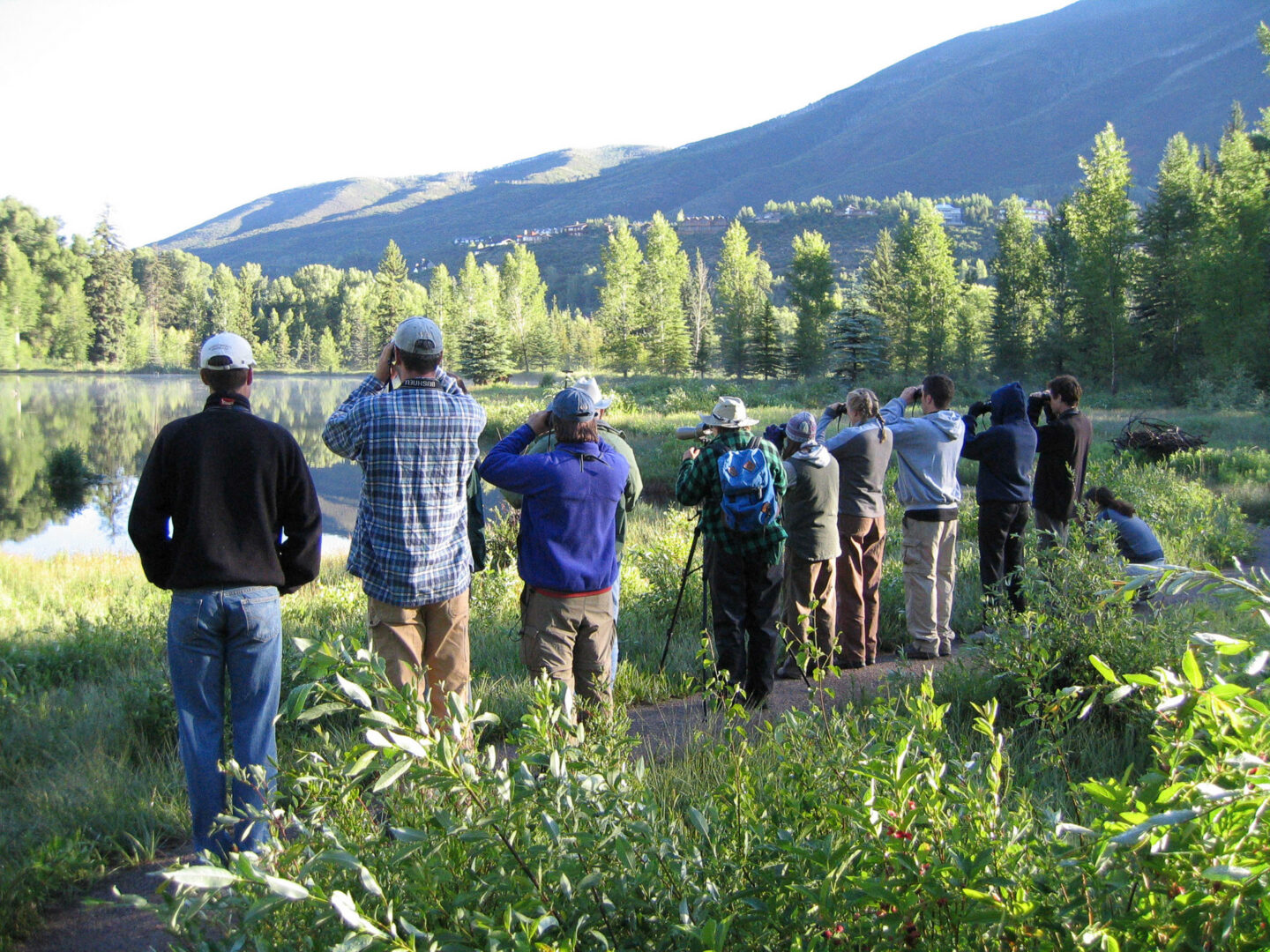
Real fieldwork teaches observation skills that transfer directly to classroom science: hypothesis, evidence, revision. Our naturalist programs and school partnerships build in exactly this kind of inquiry-based structure, whether kids are tracking birds or testing stream water.
Benefit 3: Physical Health and Sensory Development
Movement, Risk, and Physical Confidence Outdoors
Uneven trails, creek crossings, tree climbing — outdoor terrain asks more of a developing body than a flat gym floor does. Kids build balance, strength, and a healthy relationship with manageable risk simply by moving through a landscape that isn’t engineered to be perfectly safe.
Benefits of Unstructured Time in Green Spaces
Not every outdoor minute needs a lesson plan attached. Unstructured green-space time is linked to lower stress and better emotional regulation in children — which is part of why our Explorers Camps always leave room for open, undirected play alongside guided activities.
Benefit 4: Emotional Resilience and Mental Well-Being
Nature as a Tool for Stress Reduction in Children
Green space measurably lowers cortisol and heart rate in both kids and adults. That’s not a small thing in a world where childhood anxiety has been climbing for years. A walk through a quiet forest does something a lot of interventions can’t: it asks nothing of a kid except to notice what’s around them.
Wonder, Patience, and the Emotional Language of Nature
Watching a chrysalis for weeks, waiting quietly for a bird to return to its nest, sitting with the discomfort of not immediately understanding something — nature teaches patience in a way that’s hard to replicate indoors. Programs like our seasonal forest bathing sessions and quiet sit-spots build this kind of stillness directly into the day.
Benefit 5: Development of Stewardship and Civic Values
Teaching Kids That Their Choices Affect the World
A child who’s watched a stream recover after a restoration project, or helped plant a native species, understands cause and effect on a landscape scale — in a way no lecture on climate change ever quite manages. Cause meets effect right in front of them.
Conservation as a Practice, Not Just a Concept
This is where ACES’ mission comes full circle. “Educating for environmental responsibility” isn’t a slogan — it’s the reason we run a working regenerative farm at Rock Bottom Ranch, host volunteer days, and teach Leave No Trace principles on every guided hike. Kids who practice stewardship, rather than just hear about it, tend to carry that habit into adulthood.
How ACES Brings Environmental Education to Life
Reading about these benefits is one thing. Watching your kid experience them is another. A few places to start:
- Summer and Winter Explorers Camps, including our flagship ACES Summer Camp
- Nature Explorers Family Class for younger children and their grown-ups
- Guided hikes across the valley, including popular routes near Maroon Bells — note that Maroon Bells requires a parking or shuttle reservation during the busy season
- Rock Bottom Ranch family and farm programs
- Birds of Prey Demonstrations, held nearly daily at Hallam Lake
- ACES membership for year-round access and discounted programming
ACES also teaches daily in classrooms throughout the valley – see our Local School Partnerships and full education programs for details.
Frequently Asked Questions
What age is best to start environmental education? There’s no minimum age. Sensory exploration works from toddlerhood on, and our programming scales up in complexity from Nature Explorers Family Class through teen field courses.
How does outdoor learning differ from traditional classroom learning? Outdoor learning is direct and sensory — kids observe real systems in real time instead of studying representations of them. It also tends to be self-paced and inquiry-driven, following a child’s curiosity rather than a fixed curriculum.
What programs does ACES offer for children? ACES runs family classes, summer and winter camps, birding programs, school field trips through our ACES Ed and school field programs, and free guided hikes throughout the year.
Can environmental education help with anxiety in children? Spending time in nature has been associated with lower levels of stress and anxiety in children. Outdoor environments encourage slower, more mindful observation, provide opportunities for physical activity, and reduce many of the overstimulating sights and sounds of indoor and digital environments.
Where can my family experience nature-based education in Aspen? ACES operates three sites in the Roaring Fork Valley — Hallam Lake, Rock Bottom Ranch, and Toklat — each open to the public with programming for families. Check our activities calendar for upcoming dates.
Related Content
Wildlife and Conservation Biology Programs at ACES: A Guide
Learn More
Patch Birding: Explore Your Local Birding Spot
Learn More