Maroon Bells: Complete Visitor Guide and Conservation Information
ACES Team
July 21, 2026
Few places capture the imagination quite like the Maroon Bells.
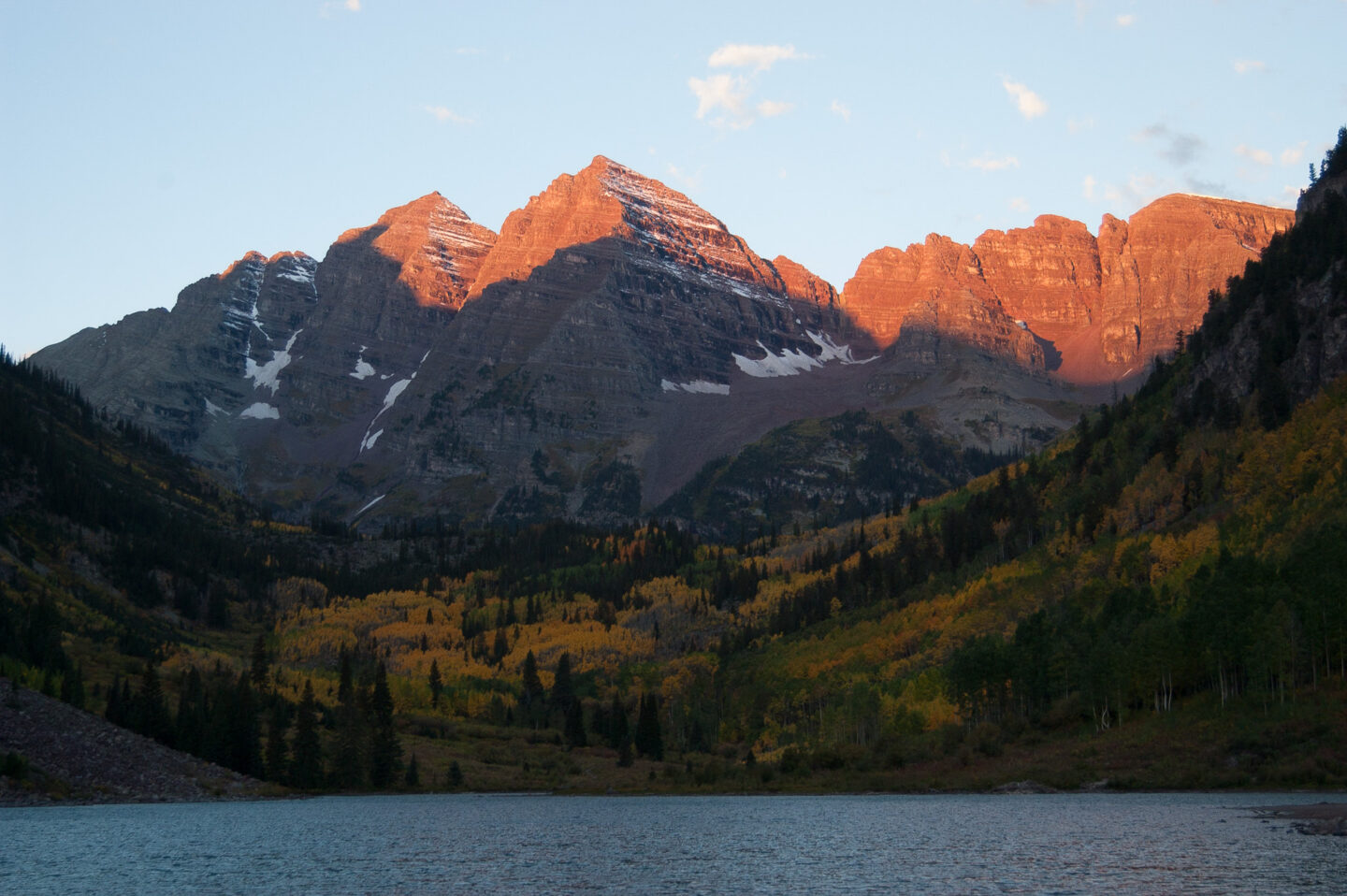
Rising above Maroon Lake near Aspen, these twin fourteen-thousand-foot peaks are among the most photographed mountains in Colorado. Their distinctive maroon-colored slopes, mirrored reflections on still water, vibrant wildflowers, and golden bloom of the autumn aspen trees attract visitors from around the world each year.
But beyond the postcard views lies something even more remarkable.
The Maroon Bells-Snowmass Wilderness is home to complex alpine ecosystems, diverse wildlife, fragile wetlands, and high-elevation habitats that are as impressive as they are precarious. As visitation continues to grow in this area, the need for environmental education and sustainable tourism initiatives has become increasingly apparent. For locals and visitors of Aspen and the great Elk Mountains of central Colorado, taking the steps to protect these landscapes is just as important as taking the steps down scenic mountain trails to enjoy them.
At Aspen Center for Environmental Studies (ACES), we believe that meaningful outdoor experiences begin with understanding. Since 1968, ACES has inspired environmental responsibility through science education, naturalist-led programs, and immersive experiences throughout the Roaring Fork Valley. Our mission is simple: helping people develop a deeper connection to the natural world through learning and exploration.
Maroon Bells: Colorado’s Most Iconic Landscape Deserves Your Care
Whether you’re planning your first visit to Colorado or returning to experience the Maroon Bells in a new season, keep reading our comprehensive guide to responsible exploration in one of Colorado’s most treasured landscapes.
Why the Maroon Bells Are So Famous
The Most Photographed Peaks in Colorado
The Maroon Bells are often called the most photographed mountains in Colorado-and for good reason.
The two peaks, Maroon Peak (14,163 feet) and North Maroon Peak (14,019 feet), rise dramatically above Maroon Lake, creating one of the most recognizable alpine scenes in North America. On calm mornings, their reflection appears mirrored in the still waters, creating the iconic double image that you’re sure to recognize from Colorado postcards, calendars, and travel magazines.
Visitors come from all over the world to witness sunrise over this very lake. They hike beneath the towering mountain walls and along the banks of Maroon Lake, where they can look down into the clear water and see these iconic mountains rippling on the surface of the water. Each month unveils a different character in the Elk Mountains, and many photographers return throughout the year to document the changing seasons, from snowy peaks to fields blooming with wildflowers.
Geology, Alpine Ecosystems, and Scenic Importance
Part of what makes the Maroon Bells so visually striking is also what makes them geologically unique.
Unlike the granite peaks found throughout much of Colorado, the Maroon Bells are composed primarily of sedimentary mudstone. Iron-rich minerals within the rock create the distinctive reddish color that gives the mountains their name.
These mountains are constantly changing. Freeze-thaw cycles, erosion, avalanches, and weather continue to shape the landscape, creating the dramatic terrain visitors see today.
The surrounding area supports an extraordinary range of ecosystems, including:
- Alpine tundra
- Subalpine forests
- Aspen groves
- Willow wetlands
- Riparian corridors
- High-elevation lakes and streams
Together, these habitats support an incredible diversity of wildlife and plant life.
Why the Area Requires Conservation Protection
Hundreds of thousands of visitors flock to the area each year, but there’s a sad irony here. The very ecosystems that attract tourism are the ones that irresponsible tourism can put at risk.
Heavy visitation can contribute to trail erosion, vegetation damage, wildlife disturbance, and pressure on sensitive ecosystems. Alpine environments are particularly at risk of the degradation of overtourism because they experience short growing seasons and harsh weather conditions which slow down their recovery.
At ACES, the Elk Mountains are our backyard. We want to share our environment just as much as we want to protect it. That’s why we pair hikes with educational immersion, so that recreation goes hand in hand with developing respect for nature. Responsible recreation helps ensure that future generations can experience the same sense of wonder that draws people to the Maroon Bells today.
How to Visit the Maroon Bells
Reservation and Shuttle Information
Because of the area’s popularity, access to the Maroon Bells is managed through seasonal reservation systems and shuttle services.
During peak visitation periods, personal vehicle access is often restricted to reduce traffic congestion and pollution, thus visitors are typically required to use the Maroon Bells shuttle or secure advance reservations.
Before your visit, check current Forest Service requirements for:
- Shuttle schedules
- Parking reservations
- Personal vehicle access
- Seasonal road closures
- Visitor capacity limits
Remember, planning ahead is essential to a smooth experience, especially during summer and fall color season.
Parking Rules and Seasonal Access
Maroon Creek Road access changes throughout the year.
Summer and fall typically require reservations or shuttle transportation during peak hours.
Outside of managed access periods, visitors may be able to drive directly to the Maroon Lake area.
Because regulations and seasonal access requirements can change annually, visitors should verify current road access, parking reservations, and shuttle information through the official Maroon Bells visitor information and reservation system before traveling.
Wondering What Time of Year to Visit Maroon Bells?
Every season… For most visitors, late June through September offers the easiest access, the most hiking opportunities, and the best weather. However, photographers often prefer September for the combination of golden aspens, mountain scenery, and cooler temperatures.
Spring (April–May)
- Snow often remains throughout much of the area
- Higher-elevation trails may still be inaccessible
- Waterfalls and streams begin swelling with snowmelt
- Fewer visitors than summer and fall
- Variable weather conditions are common
Summer (June–August)
- Peak hiking and outdoor recreation season
- Wildflowers bloom across alpine meadows
- Most trails and facilities are fully accessible
- Long daylight hours for hiking and photography
- Active wildlife viewing opportunities
- Warm daytime temperatures with cool mountain evenings
Fall (September–October)
- Famous golden aspen displays transform the landscape
- Crisp temperatures and clear mountain views
- Exceptional photography opportunities
- Popular season for scenic drives and hiking
- One of the busiest visitation periods of the year
- Early snowfall is possible later in the season
Winter (November–March)
- Snow blankets the landscape
- Limited vehicle access and seasonal road closures may occur
- Opportunities for snowshoeing and cross-country skiing
- Quiet conditions and fewer visitors
- Dramatic mountain scenery and winter photography opportunities
- Cold temperatures and changing weather require preparation
Pro-Tip: The Early Bird Gets The Worm!
Regardless of season, sunrise often provides the best experience. Wake up early and enjoy Maroon Lake in the serenity of the cool morning hours, especially if you prefer:
- Fewer crowds
- Calm reflections on Maroon Lake
- Increased wildlife activity
- Cooler hiking temperatures
Accessibility Information
One of the reasons the Maroon Bells are so beloved is that visitors don’t need to be expert hikers to enjoy them.
Accessible viewing areas near Maroon Lake allow visitors of varying mobility levels to experience some of the area’s most spectacular scenery.
Families, photographers, and visitors seeking a shorter outing can still enjoy extraordinary views without venturing deep into the wilderness or embarking on any advanced trails.
Best Hiking Trails at the Maroon Bells
The Maroon Bells offer hiking opportunities for nearly every experience level. From family friendly walks to all-day mountainous treks, Maroon Bells has something for everyone.
Maroon Lake Scenic Trail
Difficulty: Easy
Distance: Approximately 1 mile or less depending on route
This gentle walk around Maroon Lake is ideal for families, photographers, and visitors looking for a leisurely experience.
Expect:
- Stunning mountain reflections
- Wetland habitats
- Wildflower viewing
- Excellent photography opportunities
Crater Lake Trail
Difficulty: Moderate
Distance: Approximately 3.6 miles round trip
Crater Lake is one of the area’s most popular hikes.
The trail climbs gradually through forests and rocky terrain before reaching a dramatic alpine lake situated beneath the towering slopes of the Maroon Bells.
Highlights include:
- Aspen forests
- Wildflowers
- Mountain views
- Opportunities for wildlife sightings
Cathedral Lake Trail
While not located directly at Maroon Lake, here’s a bonus for visitors of the greater Maroon Bells–Snowmass Wilderness looking to explore another nearby lake with a more advanced hike.
Difficulty: Challenging
Distance: Approximately 5.5–6 miles round trip
If you’re looking for something a little more demanding, consider taking a visit to the nearby Cathedral Lake. This trail climbs steeply through aspen groves, spruce forests, and alpine terrain before reaching a stunning high-elevation lake surrounded by rugged peaks within the Maroon Bells–Snowmass Wilderness.
Highlights include:
- Alpine lake scenery
- Aspen forests and seasonal wildflowers
- Dramatic mountain views
- High-elevation wilderness landscapes
- Opportunities for wildlife sightings
This trail involves significant elevation gain and can be physically demanding. Visitors should carry adequate water, layers, navigation tools, and other essentials, and be prepared for rapidly changing mountain weather.
Wildlife and Ecology Around the Maroon Bells
The Maroon Bells are much more than a scenic backdrop. They are part of a living ecosystem where countless species depend on healthy habitats to survive.
That’s one of the reasons booking a Naturalist Guided Tour with ACES can be so rewarding. You can enjoy an ecological expert guiding you through the local landscape. Our environmental educators know this area through and through, and they enhance your experience by pointing out plants, animals, and geological phenomena along the trail that you might never have noticed on your own.
Common Wildlife Sightings
Don’t be surprised if you’re walking along the trail and stumble upon one of these incredible creatures:
- Mule deer
- Elk
- Marmots
- Pikas
- Red foxes
- Black bears
- Golden eagles
- Hawks and other raptors
- Songbirds associated with alpine and riparian habitats
Wildlife sightings are never guaranteed, but early morning and evenings are your best bet.
Wildflowers and Aspen Groves
Summer brings spectacular displays of alpine wildflowers.
Visitors may see fields colored with blooming:
- Columbine
- Lupine
- Paintbrush
- Sunflowers
- Alpine daisies
In autumn, extensive aspen groves transform the landscape into a mosaic of gold, making September one of the most mesmerizing times to visit.
Alpine and Riparian Ecosystems
The Maroon Bells support a remarkable diversity of interconnected ecosystems, ranging from wetlands and montane forests to alpine tundra. Wetlands surrounding Maroon Lake help filter water, reduce erosion, and provide critical habitat for amphibians, waterfowl, and other wildlife.
Aspen and conifer forests store carbon, stabilize mountain soils, and support species such as elk, black bears, mule deer, and numerous bird species. At higher elevations, fragile alpine tundra communities are home to specialized wildflowers, grasses, and other plants adapted to short growing seasons, intense sunlight, and extreme weather conditions. Together, these habitats form a complex ecological network that helps maintain biodiversity, watershed health, and the long-term resilience of the Elk Mountains.
Responsible Recreation and Conservation Tips
The future of the Maroon Bells depends on the actions of every visitor. At ACES, we educate people to view nature as an ecosystem to be respected, not as an experience to be extracted. Here are some of the main principles that we teach to well-meaning visitors of Aspen and the surrounding area.
Leave No Trace Principles
Before your visit, familiarize yourself with Leave No Trace practices:
- Stay on designated trails
- Pack out all trash
- Leave natural objects where you find them
- Respect wildlife
- Minimize impacts on vegetation
Wildlife Safety
Wild animals require space to remain healthy and wild.
Remember to:
- Observe from a distance
- Never feed wildlife
- Store food securely
- Keep dogs under control where permitted
- Follow all wildlife advisories
Trail Preservation
The trails are there for a reason. Even small shortcuts can cause damage.
Staying on designated trails helps:
- Reduce erosion
- Protect fragile vegetation
- Preserve wildlife habitat
- Maintain visitor experiences
Why Education Matters in High-Traffic Areas
Conservation begins with understanding.
At ACES, we believe environmental stewardship grows from meaningful connections to place. Through naturalist-led programs, guided hikes, field experiences, and educational initiatives, we help visitors understand not only what they’re seeing, but why it matters.
The more we learn about these landscapes, the more likely we are to protect them for future generations.
Other Nature Experiences Near Aspen
If visiting the Maroon Bells sparks your curiosity about the natural world, Aspen offers countless opportunities to continue exploring.
- Guided Hikes: Explore the Roaring Fork Valley alongside expert ACES naturalists who bring local ecology, geology, wildlife, and conservation stories to life. Join an educational hike designed to deepen your understanding of mountain ecosystems while exploring some of the region’s most beautiful landscapes.
- Hallam Lake Nature Preserve: Located in the heart of Aspen, Hallam Lake is ACES’ original 25-acre nature preserve featuring wetlands, forests, wildlife habitat, educational programs, and year-round opportunities to connect with nature. The preserve offers a half-mile nature trail, wildlife viewing opportunities, and naturalist programs for visitors of all ages.
- Community and Family Programs: ACES offers family-friendly programs, wildlife experiences, nature walks, and hands-on environmental education opportunities throughout the year. Families can explore the natural world together through engaging, place-based learning experiences from field seminars to summer camps. Don’t forget to check out our community favorite – ACES Bird Club!
Experience the Maroon Bells Through a Stewardship Lens
The Maroon Bells are more than a bucket-list destination.
They are a living landscape shaped by geology, wildlife, climate, and thousands of years of natural processes. Every trail, wetland, wildflower meadow, and alpine stream contributes to a larger ecological story unfolding across the Elk Mountains.
The next time you stand beside Maroon Lake at sunrise or watch autumn light illuminate the Bells, take a moment to look beyond the scenery.
Notice the birds moving through the forest canopy. Observe how wetlands support life along the lakeshore. Consider the delicate alpine plants surviving just above the treeline.
The more closely we pay attention, the more we realize that conservation isn’t separate from recreation-it’s what makes these experiences possible.
At ACES, we invite visitors to explore the Roaring Fork Valley with curiosity, respect, and a commitment to environmental responsibility. Because protecting places like the Maroon Bells begins with understanding them.
Frequently Asked Questions
Do you need reservations for Maroon Bells?
During much of the peak visitation season, reservations or shuttle transportation are required. Visitors should check current access requirements before their trip.
When is the best time to visit Maroon Bells?
September is famous for fall colors, while July and August offer peak hiking and wildflower viewing. Bonus tip: sunrise generally provides the best combination of lighting, wildlife activity, and reduced crowds.
Can dogs visit the Maroon Bells?
Dogs are permitted in certain areas but must follow current regulations and leash requirements. Check current rules before visiting.
How difficult are the trails?
The area offers everything from easy walks around Maroon Lake to challenging wilderness hikes. Visitors of most ability levels can find a trail that fits their ability.
Is the shuttle required?
During peak periods, the shuttle is the primary way visitors access the Maroon Bells. This avoids traffic congestion and pollution. Requirements vary seasonally and should be confirmed before travel.
Related Content

ACES Morning Birding at Rock Bottom Ranch 10/13/26
Learn More
Patch Birding: Explore Your Local Birding Spot
Learn More