Rock Glaciers – Colorado’s Hidden Water Towers
Charlie Robinson
August 12, 2026
Colorado’s Hidden Water Towers
Have you ever walked across a field of alpine boulders and heard the low rumbling of running water beneath your feet? Or taken in a summit view and wondered why a massive pile of rocks looks like it’s creeping down the valley like mud? Have you ever wondered why high-mountain streams remain ice-cold in the middle of August? If so, you’ve likely encountered a rock glacier.
At their core, rock glaciers are tongue-shaped bodies of rock debris and ice, hidden beneath an insulating layer of boulders. Just like traditional “white ice” glaciers, they deform and move slowly downhill under the force of gravity.
While Colorado harbors roughly 14 named surface glaciers (depending on who you ask), rock glaciers vastly outnumber them. At least 1500 rock glaciers have been mapped across the western United States, with the highest concentration of them in Colorado. Because Colorado’s exposed glaciers are so small, rock glaciers hold the vast majority of the state’s remaining high-altitude frozen water reserves.
Because of human-caused climate change, 2026 has been the western United States’ worst snow drought ever, leaving water managers across states and federal agencies scrambling to negotiate short and long-term water-sharing agreements. Making informed policy decisions requires a complete picture of our headwaters, yet rock glaciers remain a relatively understudied and potentially major piece of the hydrology of the west.
Protected by a surface layer of rock several feet to meters thick, internal ice is shielded from direct sunlight and ambient air. This insulating layer makes rock glaciers far less sensitive to short-term warming than exposed ice. While white glaciers across the globe have retreated dramatically over the last few decades, rock glaciers have remained remarkably stable, continuing to release steady, cold meltwater through the late season. One recent study found that rock glacier discharge can supply up to 50% of late-season streamflow.
This cold meltwater is an important part of downstream ecology. Native trout and cold-water aquatic insects rely on these low temperatures to survive as lower-elevation streams warm. Furthermore, rock glacier runoff brings a unique chemical and mineralogical blend that feedsalpine plant, animal and microbial communities, especially in the late season when snowmelt is no longer a direct surface water contributor.
While rock glaciers are highly resilient, they are not invincible. Studies show that rising temperatures are impacting them, too. Slow ice warming and meltwater infiltration are causing rock glaciers to slide downhill faster with time. Even though they lose ice slower than exposed glaciers, rock glaciers are ultimately melting faster than they can recharge, making them a valuable, but temporary, climate buffer.
As rock glacier thaw increases over time, basins experience a temporary bump in runoff, followed by “peak water”, the point at which the glaciers’ water discharge begins to decrease over time. Ice-free rock formations at lower elevations called ‘relict rock glaciers’ show us the direction that they are headed. Depending on size and elevation, some rock glaciers may reach peak water in decades, while others will persist far beyond our lifetimes.
For now, rock glaciers act as the West’s silent, unseen water tank, quietly feeding alpine streams as surface glaciers disappear. Unfortunately, these frozen water towers won’t last forever. The only way to curb the recession of glaciers is to fight climate change by lowering carbon emissions. That means voting for climate-conscious leaders and persistently advocating for a healthier relationship between people and the earth. Rock glaciers give us a tremendous gift in this warming world. It’s time we return the favor.
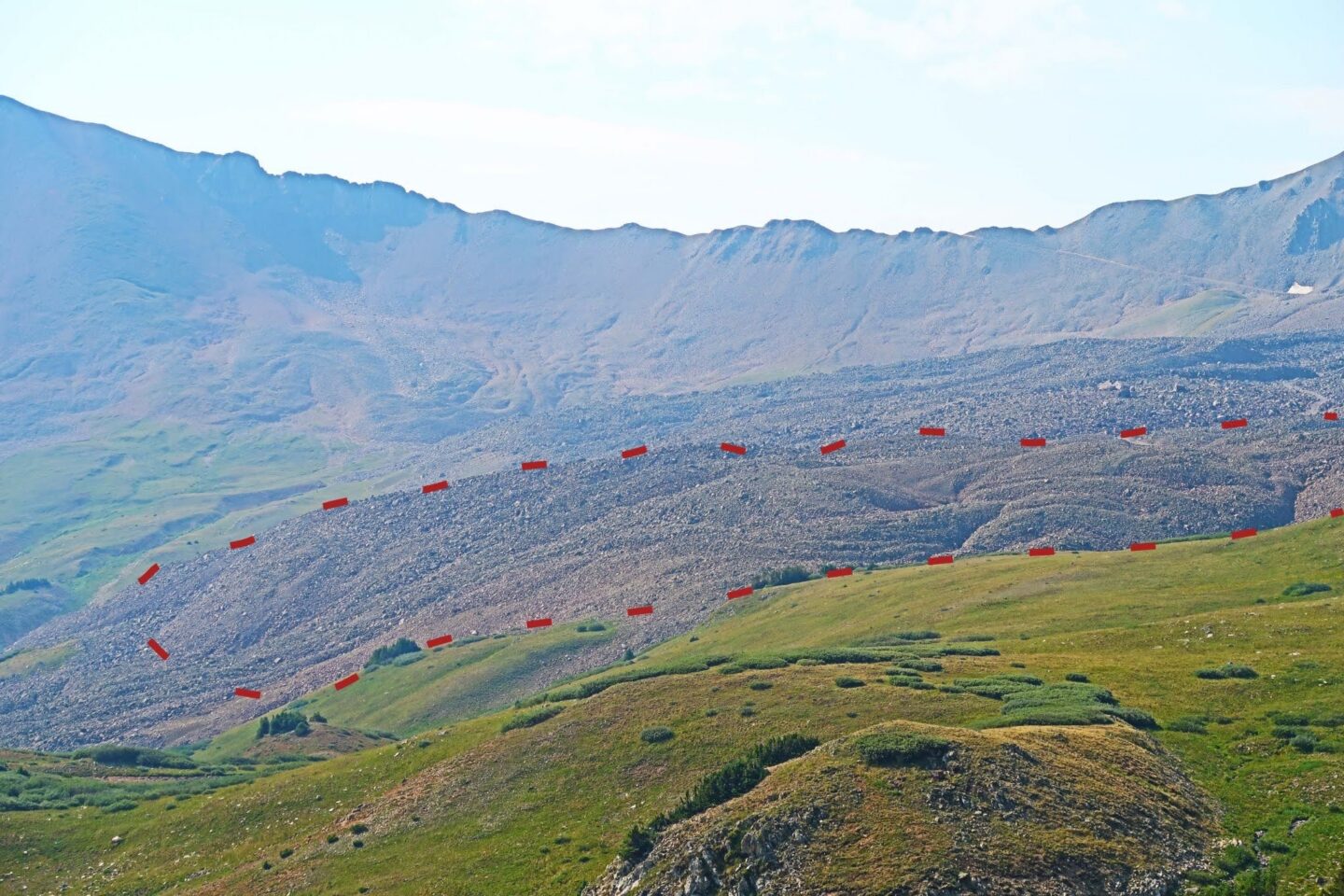
Photo 1: Large rock glacier in Pearl Basin (photo by Charlie)
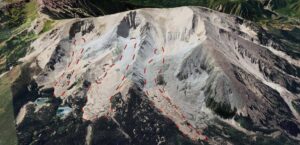
Photo 2: Rock glaciers on Mt. Sopris – Google Earth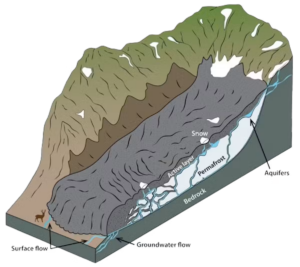
Photo 3: Anatomy of a rock glacier (Utah Geological Survey)
Related Content
Wildlife and Conservation Biology Programs at ACES: A Guide
Learn More
Patch Birding: Explore Your Local Birding Spot
Learn More