Why Experiential Learning is Essential for Environmental Education
ACES Team
August 4, 2026
Why Experiential Learning is Essential for Environmental Education
There’s a difference between learning about the environment and learning in it. The first happens with a book, a diagram, maybe a documentary. The second happens with wet boots, a hand lens, and a naturalist pointing at something you might otherwise have walked right past.
That difference shapes everything we do at the Aspen Center for Environmental Studies. Since 1968, our mission has been educating for environmental responsibility — and over more than five decades running programs across the Roaring Fork Valley, we’ve landed on a philosophy that guides every guided hike, every farm chore, every overnight field course we offer: experience comes first, explanation second.
What Is Experiential Learning?
The Core Principles: Do, Reflect, Apply
Experiential learning follows a simple cycle. A learner does something — wades into a stream, plants a seed, tracks an animal. Then they reflect on what happened, what surprised them, what they’d try differently. Finally, they apply that understanding to a new situation. It sounds almost too simple to be a methodology, but that’s exactly why it works.
How Experiential Learning Differs from Traditional Instruction
Traditional instruction moves from concept to example. Experiential learning moves the other way: from experience to concept. A student who’s just pulled a caddisfly larva out of a stream doesn’t need to be told that macroinvertebrates indicate water quality — they’re halfway to figuring that out on their own, and the lesson lands because they arrived at it, and it sticks because they got to see it for themselves.
Why This Approach Is Especially Powerful Outdoors
Outdoor settings offer something no classroom can replicate: unscripted complexity. Weather changes. Animals don’t perform on cue. A trail looks different in July than it does in October. That unpredictability is exactly what makes outdoor experiential learning so effective — it teaches kids and adults alike to observe carefully, because the “textbook” is alive and constantly rewriting itself.
Why Direct Experience Is Irreplaceable in Environmental Education
You Cannot Fully Teach Ecology from a Textbook
A diagram of a watershed is useful. Standing in one, watching how the Roaring Fork River actually behaves after a summer storm, is a different order of understanding entirely. Ecology is a science of relationships — predator to prey, forest to fire, farmer to soil — and relationships are hard to teach in the abstract.
The Role of Sensory Engagement in Developing Environmental Values
Smell the sage after rain. Feel the temperature drop near moving water. Hear the difference between a whisper of aspen leaves and the heavier rustle of cottonwoods. Sensory memory tends to be sticky in a way that facts alone aren’t, and sensory experience is where environmental values — not just environmental knowledge — actually take root.
From Curiosity to Commitment: How Experience Builds Stewardship
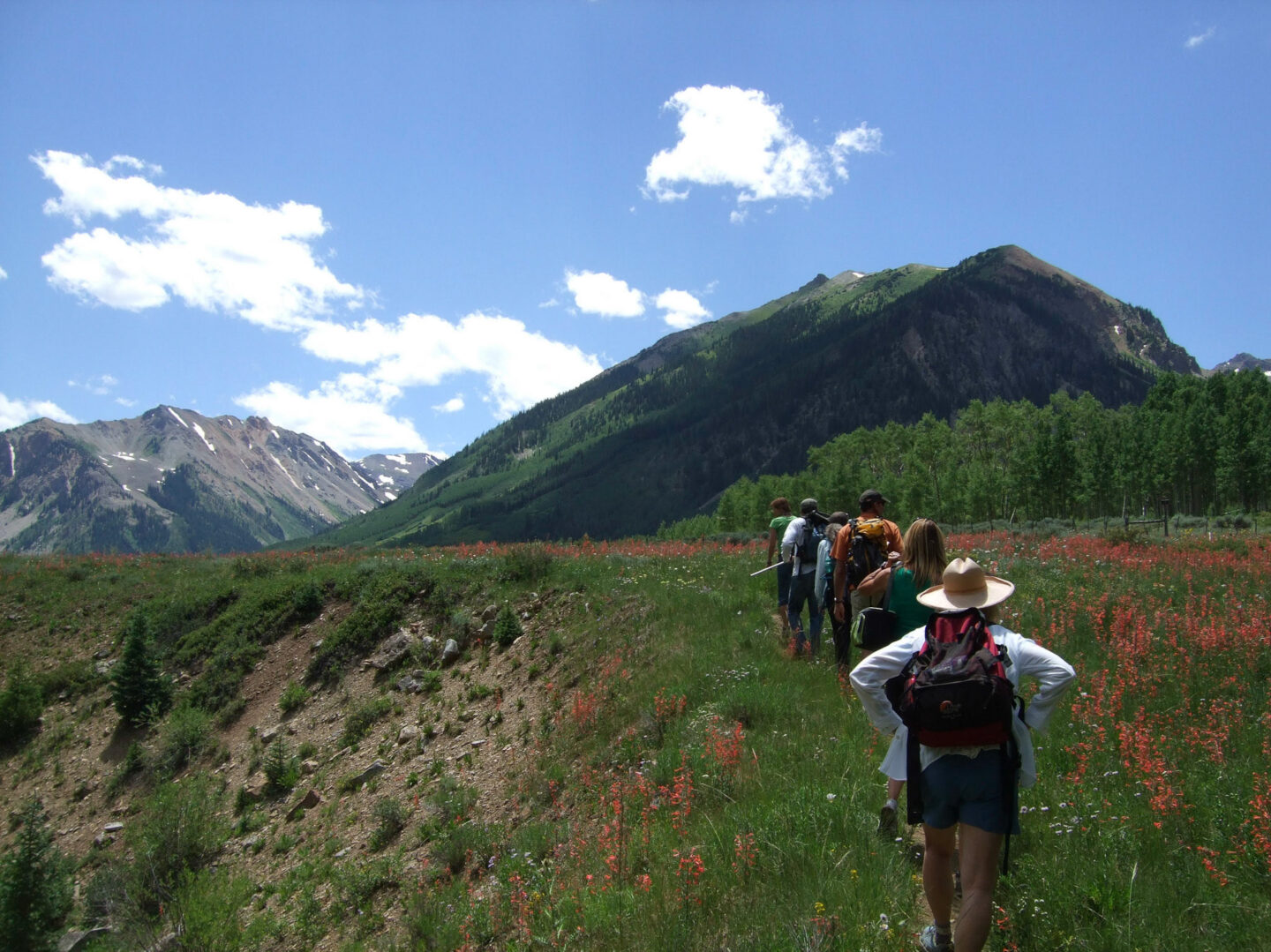
Curiosity is the entry point. Stewardship is what happens when curiosity gets repeated enough times to become identity. Our Land, People, and Place field ecology course is designed around exactly this arc, and it’s the same logic behind our free guided hikes at Maroon Bells and Ashcroft, or our regular Morning Birding sessions at Hallam Lake — repeated, hands-on contact with a place, until that place starts to matter personally.
Experiential Learning Across All Ages
Young Children: Nature Play as the Foundation
For the youngest learners, experiential education is almost entirely sensory — mud, sticks, bugs, water. Our Nature Explorers Family Class meets kids exactly there, with structured-but-loose exploration rather than formal lessons.
School-Age Learners: Guided Discovery and Field Science
By elementary and middle school, kids are ready for guided inquiry — asking a question, testing it, revising their thinking. This is where our Explorers Camps, including the flagship ACES Summer Camp, spend most of their time.
Teens and Adults: Leadership, Inquiry, and Place-Based Courses
Older students and adults are ready for deeper immersion — multi-day field courses, writing retreats, evening lecture series. Our Land, People, and Place course, seasonal Deep Ecology writing retreats, and our Naturalist Nights speaker series all build on the same foundation: a lifelong habit of paying attention to the natural world.
Experiential Learning at ACES: What It Looks Like in Practice
The Farm as a Living Classroom at Rock Bottom Ranch
Rock Bottom Ranch is 113 acres of working, regenerative farm between the Roaring Fork River and the Crown of Mount Sopris — and it doubles as one of the best classrooms we’ve got. Egg collection, hayride farm tours, seasonal Burlap Dinners, and our regenerative agriculture programs all turn abstract ideas about sustainable food systems into something a kid — or an adult — can hold in their hands.
Hallam Lake as a Year-Round Outdoor Laboratory
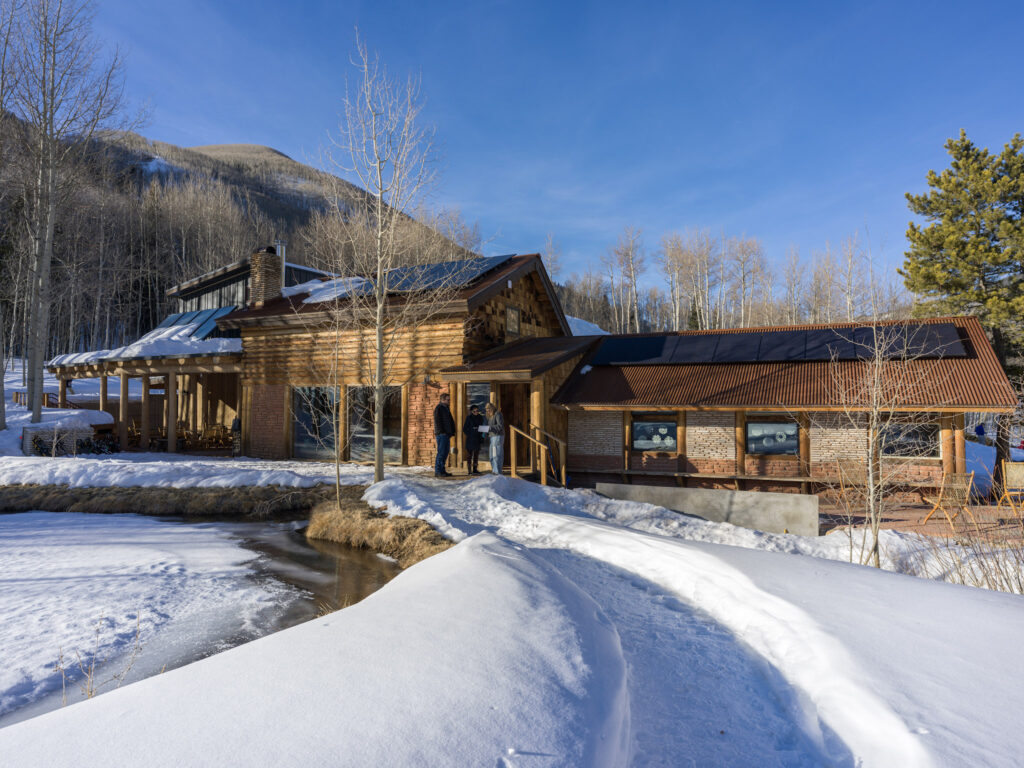
Hallam Lake, our original site donated by Elizabeth Paepcke in 1968, is a 25-acre preserve open to the public year-round. It’s where most of our birding programs, forest walks, and family classes happen — close enough to town to be convenient, wild enough to feel like genuine natural immersion.
Toklat and Castle Creek Valley as Field Study Sites
The Catto Center at Toklat, once the wilderness home of ACES founder Stuart Mace, sits deep in Castle Creek Valley and anchors our more remote field ecology courses — the kind of immersive, multi-day experience that a day-trip simply can’t replicate.
The Outcomes: What Experiential Environmental Education Produces
Ecological Literacy That Lasts
Facts learned experientially tend to stick, because they’re anchored to a memory instead of floating free. A kid who’s identified five bird calls at Hallam Lake carries that knowledge into adulthood in a way that a memorized list rarely survives.
Civic Engagement and Environmental Leadership
Direct experience with land tends to produce people who show up — for volunteer restoration days, for local watershed advocacy, for the unglamorous civic work of caring for a place long-term.
A Lifelong Relationship with the Natural World
This is the real outcome we’re after. Not test scores. A relationship — the kind that has someone checking the Forest Health Index or the river gauge out of genuine interest, decades after their first ACES field trip.
How to Experience Experiential Environmental Education with ACES
If this philosophy resonates, the best next step isn’t reading more about it — it’s trying it. A few places to start:
- Adult field courses and workshops
- Family programs and Explorers Camps
- Free naturalist-guided hikes at Maroon Bells, Snowmass, and Aspen Mountain — note that Maroon Bells requires a parking or shuttle reservation during peak season
- Rock Bottom Ranch immersive farm experiences
- ACES membership for year-round access across all three sites
Frequently Asked Questions
What is the difference between experiential learning and project-based learning? Project-based learning centers on completing a defined project over time. Experiential learning is broader — it’s any learning built around direct experience, reflection, and application, whether or not it culminates in a formal project. A single guided hike can be experiential learning; it isn’t a “project.”
Is experiential learning effective for environmental education? Research on environmental education consistently favors hands-on, place-based approaches over lecture-based instruction, particularly for building lasting ecological literacy and pro-environmental behavior. Our own decades of programming back that up firsthand.
What age groups benefit most from experiential environmental education? All of them, though the format shifts. Young children benefit from sensory nature play, school-age kids from guided field science, and teens and adults from deeper immersion — multi-day courses, leadership programs, and place-based writing retreats.
Does ACES offer experiential learning programs for adults? Yes. Our adult programming includes field ecology courses, writing retreats, our Winter Lecture Series, and the Jessica Catto Dialogues, alongside farm-based experiences at Rock Bottom Ranch.
How can I get involved with ACES environmental education programs? Browse our full activities calendar, consider ACES membership for ongoing access, or simply show up to one of our free guided hikes to see the philosophy in action.
Related Content
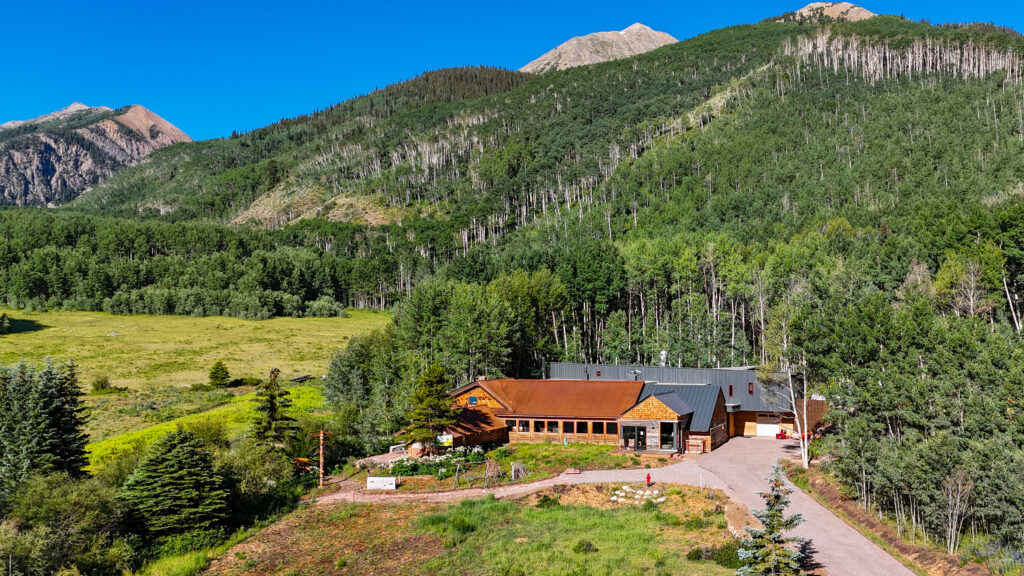
Wildlife and Conservation Biology Programs at ACES: A Guide
Learn More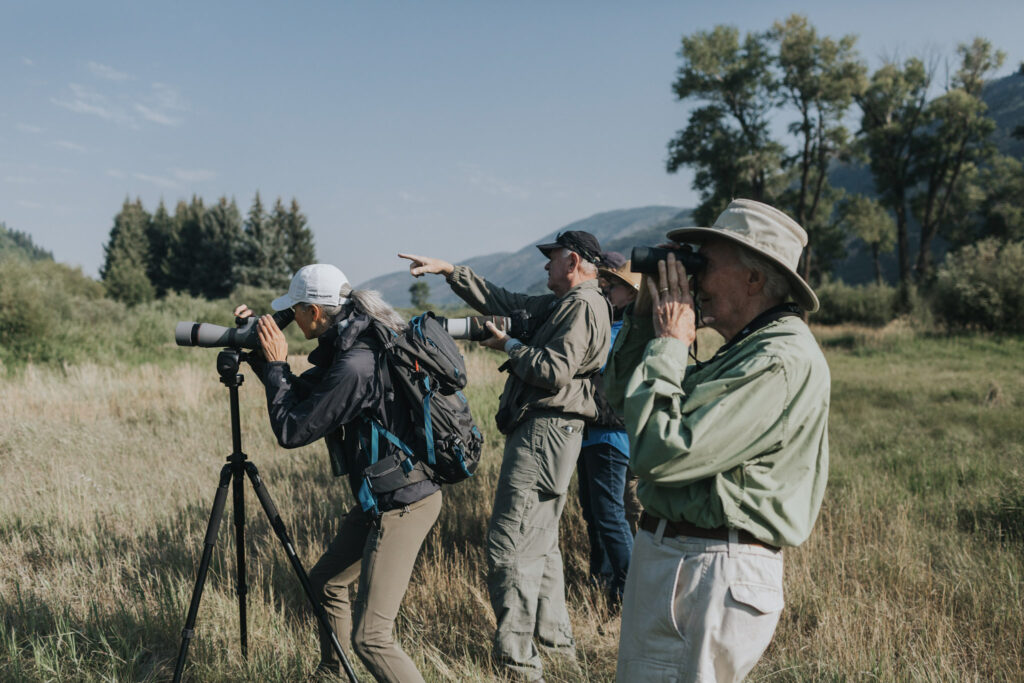
Patch Birding: Explore Your Local Birding Spot
Learn More