Why Aspen Trees Matter to Colorado Mountain Ecosystems
ACES Team
November 12, 2026
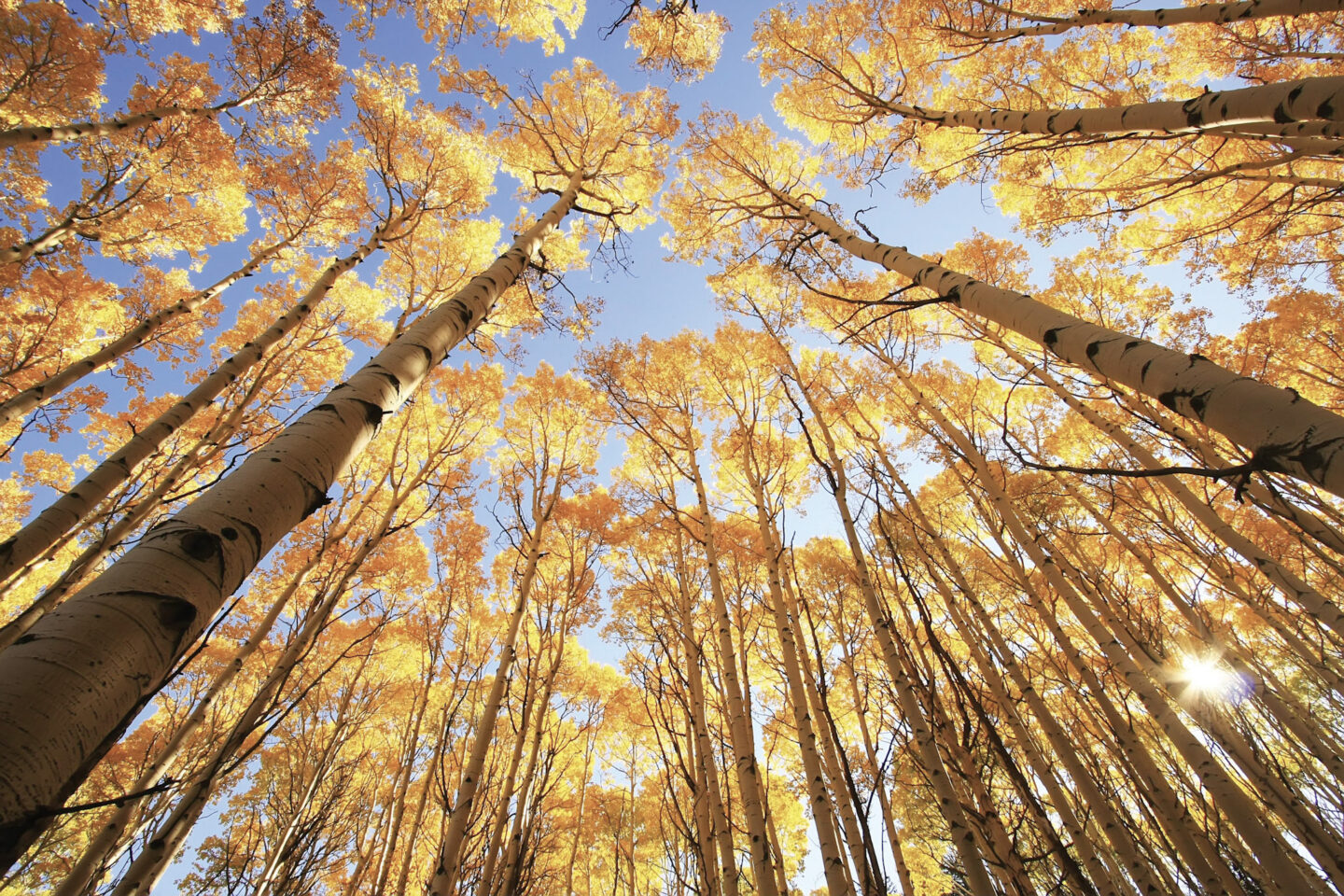
Stand in an aspen grove in late September and the whole place glows. Leaves flicker gold against white trunks, and every breeze sets them shaking. It’s the picture most people carry home from the Roaring Fork Valley. So why are aspen trees important beyond the view? Because, as Aspen Journalism reports, the quaking aspen acts as a keystone species that sustains hundreds of other plants and animals. This guide covers three parts of that story: the biodiversity aspens support, the way they renew themselves, and the threats Colorado’s groves face now.
Why Are Aspen Trees Important?
Aspen groves let sunlight reach the forest floor and hold more soil moisture than conifer forests, so they support far more plants and animals. They produce forage for elk and deer, yield more water, resist fire and regrow quickly from their roots, which keeps Colorado’s mountain forests diverse and resilient.
What Makes an Aspen Grove Different From a Conifer Forest
Quaking aspen leaves let sunlight through the canopy, and the deep, rich soils beneath them hold more moisture than soils under conifers. That pairing of light and water is what fills a grove with life. Aspen researcher Paul Rogers told Aspen Journalism that up to a hundred different plant species may grow under aspen communities.
Here’s how a grove compares with a nearby conifer forest.
| Feature | Aspen grove | Nearby conifer forest |
| Light at ground level | Leaves let sunlight through | Less light reaches the forest floor |
| Soil moisture | Deep, rich soils hold more water | Soils hold less moisture |
| Forage | More than 10 times the forage produced under conifers | Much less understory forage |
| Water yield | Often more, and higher-quality, water | Comparatively less |
| Fire behavior | Moist leaves and thick twigs resist burning | Crown fires can run through the canopy |
Sources: Aspen Journalism, US Forest Service aspen ecology and the Forest Service’s Sudden Aspen Decline in Colorado fact sheet.
One Tree or One Organism? How Aspens Renew Themselves
An aspen grove can be thought of as one living thing. Aspens sprout new stems, called suckers, from existing roots, so a single root system can send up a whole hillside of trunks. ACES’ State of the Forest report describes aspens as clonal organisms and among the oldest known living organisms.
Disturbance wakes that root system up. After a fire, the Forest Service reports that 50,000 to 100,000 suckers can sprout on a single acre. They thin themselves over time, and after 20 or 30 years the grove holds about as many trees as it did before the fire. Without disturbance, shade-tolerant conifers can replace aspen within 100 to 200 years, or much more slowly on some sites.
Who Lives in an Aspen Grove
Rogers also estimates that 50 to 60 or more animal species use aspen on a daily basis. A few of the regulars, several of which star in our fall and winter wildlife watching guide:
- Elk and deer. They browse young aspen shoots, and in winter they gnaw and strip the bark.
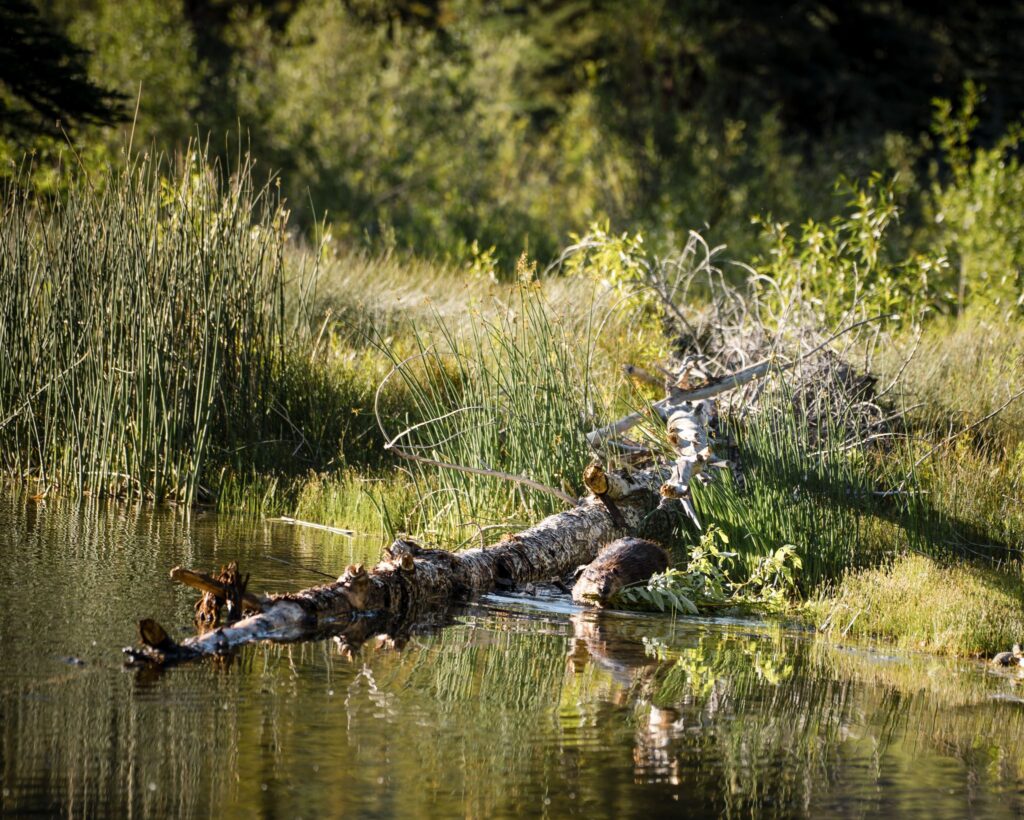
- Beavers. They cut aspen for food and building material, and that cutting can trigger a flush of new sprouts. Learn more about how beavers help restore mountain ecosystems.
- Black bears. Bears are among the dozens of animals that move through aspen communities.
- Hares, porcupines, mice and voles. All of them gnaw aspen bark, and aspen buds are an important winter food for wildlife.
Want to learn to read a grove yourself? ACES’ Know Your Trees walk explores the Hallam Lake neighborhood on summer Mondays from 4 to 5pm, introducing up to a dozen native conifers and deciduous trees. Participants walk away with The Rocky Mountain Tree Finder booklet. It’s free for ACES members and $10 for non-members.
Fire, Water and the Aspen Advantage
Aspen forests do not readily burn. Their moist green leaves and thick twigs are slow to catch, and crown fires racing through conifers often drop to the ground when they reach an aspen stand.
Yet aspens need disruption. Fire, avalanches and beetle outbreaks open space for young trees. Around Aspen, avalanches have cleared paths where young aspens now poke up through evergreen forest, including in the Maroon Creek Valley. ACES Forest and Climate Director Adam McCurdy told Aspen Journalism in 2019 that these openings break up long stretches of spruce-fir forest and make the whole landscape more resilient to beetles and fire.
What Threatens Colorado’s Aspens
Sudden aspen decline
Foresters first noticed sudden aspen decline in 2004. By 2008, about 553,000 acres of Colorado aspen showed damage, roughly 17 percent of the state’s aspen cover type. Hot, dry conditions from 2000 to 2003 weakened stands at low elevations, on upper slopes and on south- to west-facing aspects, and secondary insects and diseases finished many of them. The Forest Service reported no notable increase in the affected area after 2008.
Too much browsing
Herds of elk and deer sometimes stay in one place for days, eating every new shoot. The result is an aging forest with no young trees ready to replace the old ones, a problem that grows worse when drought arrives on top of it.
A warming, drying climate
ACES’ Forest Programs team notes that many aspen stands are in decline from prolonged drought and high temperatures. Forest Service projections suggest that about two thirds of Colorado’s aspen-suitable area could become unsuitable by 2060.
Close to home
Keep it in perspective. In 2019, McCurdy said local forests were faring pretty well overall, with decline most evident on dry, south-facing slopes such as near the radio tower on the Sunnyside Trail and up Castle Creek near Toklat. Season to season matters too, and the groves near Toklat are part of what makes a fall retreat in the Castle Creek Valley so striking. ACES naturalists have noted that a dry summer can dull fall color.
What Helps Aspens, and What You Can Do
Where a grove still has some vigor, burning or cutting before the roots weaken can stimulate new growth. In stands already dying, there’s no practical way to save the overstory. ACES has restored more than 1,000 acres of forest through prescribed fire, thinning and other work, and its Forest Health Index tracks conditions across 38 forested watersheds in Colorado.
You can help in a few practical ways:
- Walk a grove with a naturalist. ACES’ free Local Forest on the Brink field class takes participants into the Lake Christine burn area with Adam McCurdy. This year’s class ran in August, so watch the ACES calendar for the next one.
- Report dying stands. Let local land managers know when you see whole groves browning out.
- Join ACES. A membership supports forest and climate work and includes discounts on classes plus an invitation to the member Fall Colors Potluck.
Frequently Asked Questions
- Are aspen trees one organism? Often, yes. Aspens sprout from shared roots, so a grove can be a single clone with many trunks.
- Why are aspen trees dying in Colorado? Hot drought weakened many stands in the early 2000s, and secondary insects and diseases killed stressed trees. Heavy browsing and a warming climate add pressure.
- Do aspen forests help slow wildfire? Aspen does not burn readily, and crown fires often drop to the ground when they reach an aspen stand.
- What animals live in aspen groves? Elk, deer, beavers, black bears, hares, porcupines, small rodents and dozens of other species.
Related Content
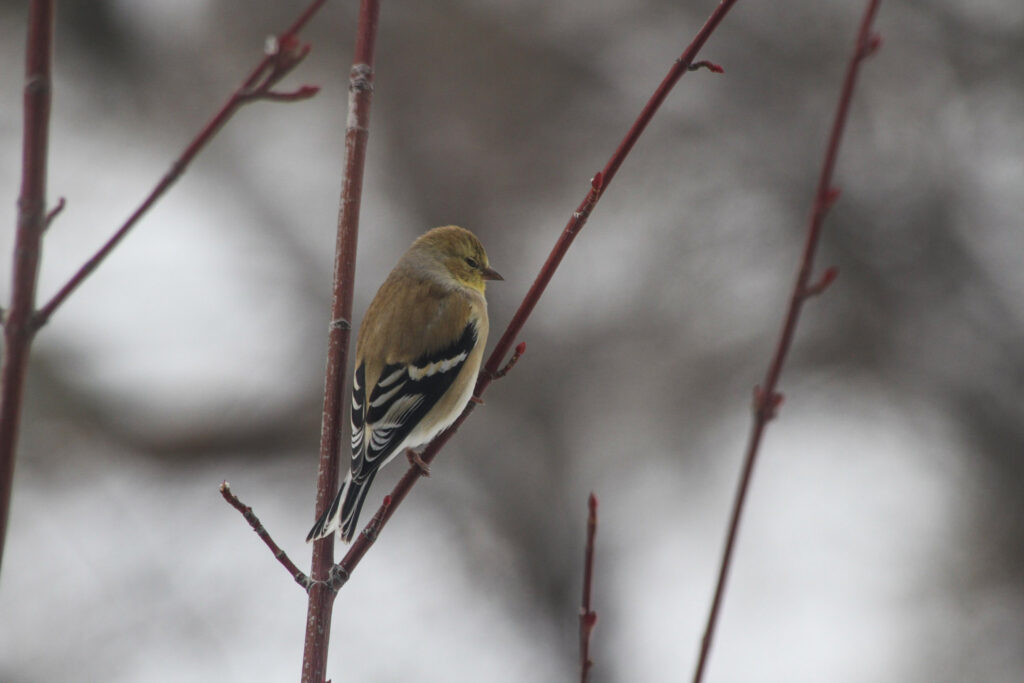
Wildlife Watching in Aspen: A Fall and Winter Guide Beyond the Birds
Learn More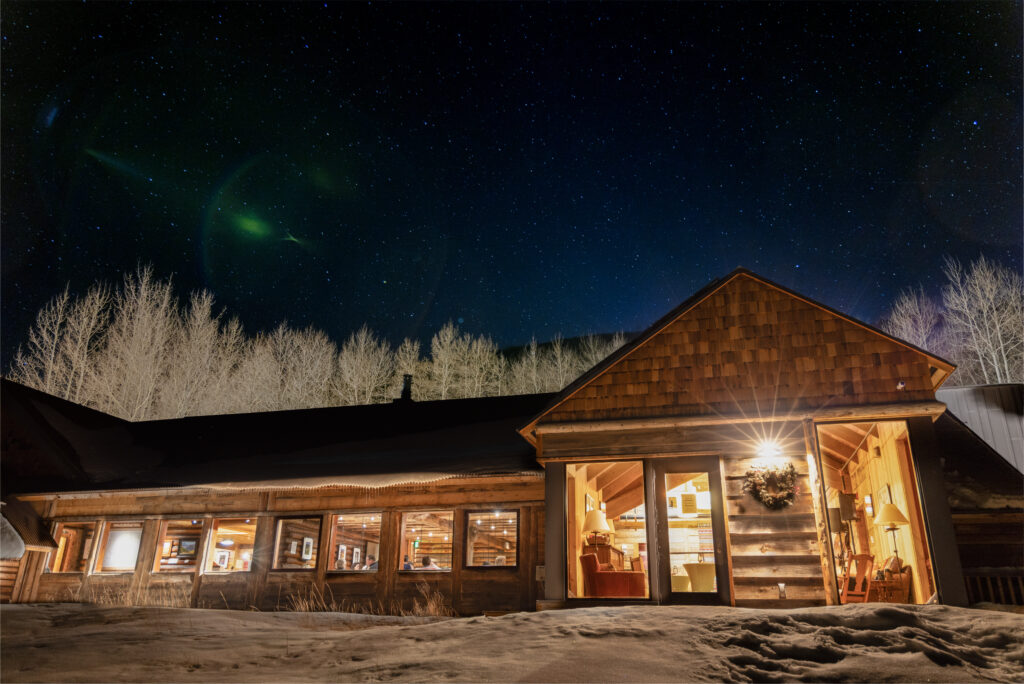
Winter Retreats in Aspen: Gather in the Snowy Castle Creek Valley at Toklat
Learn More