Wildlife Watching in Aspen: A Fall and Winter Guide Beyond the Birds
ACES Team
November 12, 2026
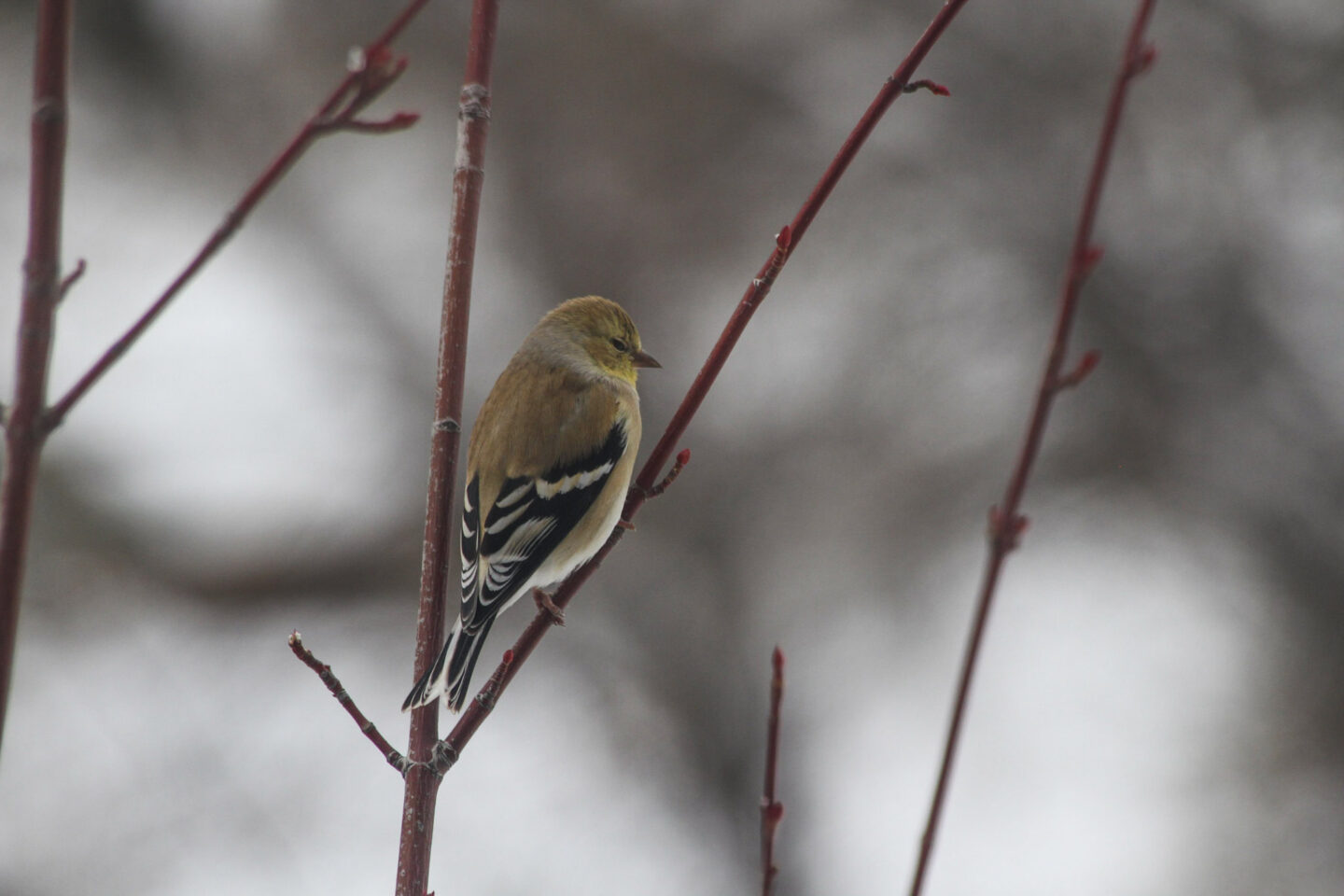
Birds get plenty of attention around here, and for good reason. ACES runs regular birding outings at Hallam Lake and posts trip reports after most of them. But wildlife watching in Aspen goes well past the bird feeder. At Hallam Lake, ACES naturalists tell visitors to keep their eyes out for freely roaming mule deer, elk, foxes, coyotes, bear and beavers. On a June 2026 birding outing, the group even spotted a bull moose in velvet eating willows across the pond.
Fall and winter change what you’ll see and where you’ll see it. Here’s what to watch for, and how ACES naturalists can bring you closer.
Aspen Wildlife in Fall
Elk and the September rut
Fall is elk season in the high country. According to Colorado Parks and Wildlife’s Colorado Outdoors magazine, the elk rut begins in September and runs into mid-October, overlapping with peak fall color. Bulls bugle to attract cows and warn off rivals. Your best odds of hearing that high, eerie call come early in the morning or late in the evening, when elk are most active.
Beavers stocking the pantry
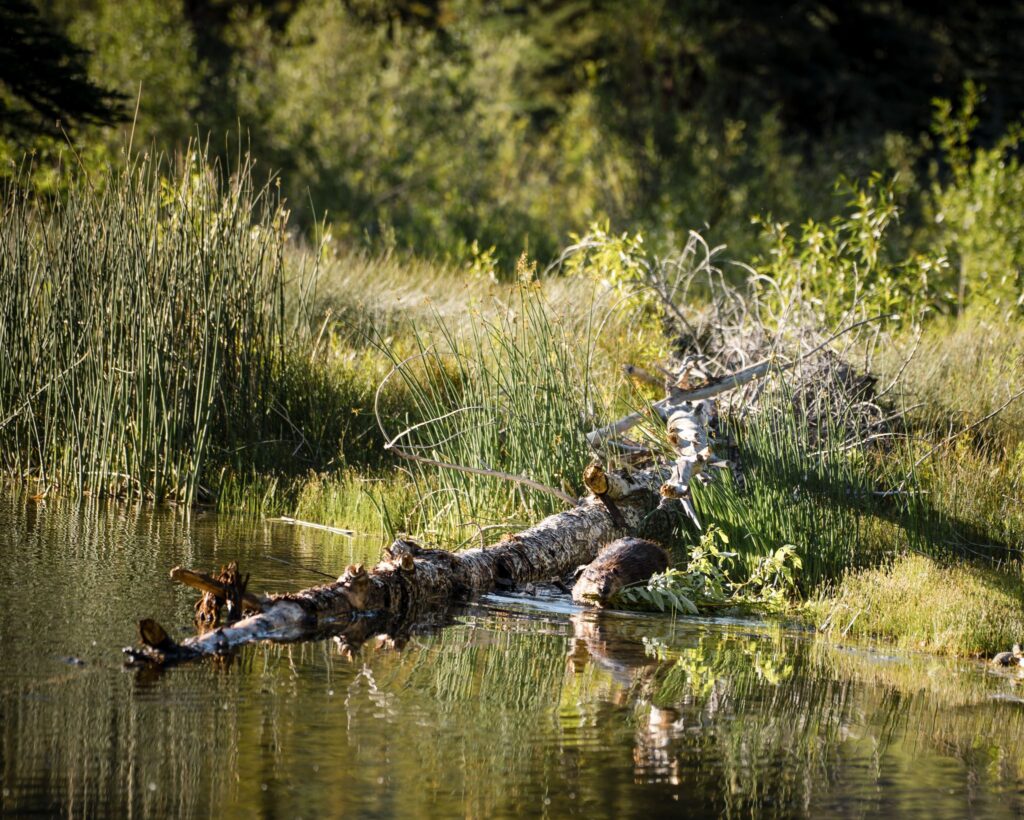
Beavers don’t hibernate. They spend fall cutting willow, aspen and other woody stems and stacking them underwater as a winter food cache they can reach from the lodge without ever touching land. It’s one small part of how beavers help restore mountain ecosystems. At Hallam Lake, ACES staff watched a cache grow from late October into early December 2021, built beside spring water that stays around 48 degrees and keeps the stockpile ice-free.
Migrants on the move
Fall is also a season of goodbyes. ACES naturalists note that sandhill cranes may pass through the Colorado Rockies between late September and mid-October, and the last osprey and great blue herons of the season are worth watching for at Hallam Lake before they head south.
Aspen Wildlife in Winter
Stories written in snow
Snow turns every trail into a field notebook. At ACES, winter can be an excellent time to learn animal tracks, and Hallam Lake’s half-mile loop is a good place to start. Check the bark, too. The US Forest Service notes that elk, deer, hares, porcupines, mice and voles all gnaw or strip aspen bark, and aspen buds are an important winter food for wildlife. It’s one reason aspen groves matter so much to Colorado wildlife.
Elk and deer on winter range
As snow piles up high, deer and elk depend on lower winter range, and that range matters. Pitkin County closes a number of trails and open spaces each winter to protect wintering wildlife. The Sky Mountain Park trails, for example, close from December 1 through May 15.
Bighorn sheep and the winter rut
Colorado’s state animal saves its drama for the cold. Colorado Parks and Wildlife reports that bighorn breeding happens in November and December, peaking in early December, when rams battle by cracking horns. Colorado is home to the largest population of Rocky Mountain bighorn anywhere, an estimated 7,000 animals that favor steep, rocky terrain near open escape routes.
Waterfowl and an ice-free lake
Hallam Lake is fed by springs, and migrating waterfowl rely on its ice-free surface as a resting place. Mink and belted kingfishers fish its waters. With the leaves down, perched birds are easier to pick out.
A quick seasonal reference
| Wildlife | What to look for in fall | What to look for in winter |
| Elk | Bugling bulls, September into mid-October | Herds on lower winter range; bark-stripped aspens |
| Beavers | Fresh-cut willow stems and a growing food cache | Activity beneath the ice and near open spring water |
| Bighorn sheep | Bands on steep, rocky slopes | Rams clashing horns in the November to December rut |
| Snowshoe hares and other small mammals | Quick glimpses at forest edges | Tracks in fresh snow |
| Raptors and waterfowl | Last osprey of the season; migrants passing through | Ducks and other waterfowl around Hallam Lake’s open water |
How ACES Naturalist-Guided Experiences Bring You Closer
Winter snowshoe and ski tours
ACES’ winter naturalist tours are the easiest way to see the season through a naturalist’s eyes. Starting December 14, two-hour guided snowshoe tours leave the top of the Silver Queen Gondola on Aspen Mountain and the top of the Elk Camp Gondola at Snowmass at 10am and 1pm daily, covering wildlife in winter, tracking and mountain ecology. Intermediate skiers can drop in at the Wapiti Wildlife Center, at the top of the Elk Camp lift, for the free Snowmass Ski Tour at 11am and 1pm, a leisurely run on green and blue terrain that points out who has been eating tree bark.
Private tours, including Toklat
For a quieter outing, book a private naturalist-guided snowshoe tour at Hunter Creek, the Rio Grande Trail or another spot your guide recommends. Morning or afternoon slots are $250. Up the Castle Creek Valley, tours around the Catto Center at Toklat stay on gentle terrain at a leisurely pace and can be customized to your group. Groups can even build a whole custom day retreat at Toklat around one. Nearby, the half-day Ashcroft Snowshoe Tour wanders through meadows and aspen groves, with the option to stop for lunch at Pine Creek Cookhouse.
Hallam Lake, beavers and birds of prey
Hallam Lake is open year-round. Borrow binoculars, walk the half-mile loop and its observation decks, and ask the on-site naturalist what’s been moving. In summer, the Birds of Prey Demonstration introduces ACES’ resident raptors, including a Red-tailed Hawk, a Golden Eagle and a Great Horned Owl, and Sunset Beaver Walks head out at dusk, the perfect time to spot ACES’ resident beaver family. Both are free for ACES members and $10 per family for non-members. Each winter, the free Naturalist Nights speaker series brings experts to Hallam Lake on Thursdays at 6pm.
Responsible Wildlife Watching Etiquette
These guidelines draw on Colorado Parks and Wildlife’s safe viewing tips:
- Keep your distance. If an animal lifts its head, points its ears at you, stops eating or seems nervous, you’re too close. Back away slowly.
- Stay quiet and still. Noise and quick movements read as danger, and animals may flee and leave nests or young unprotected.
- Never feed wildlife. Feeding changes behavior in ways that harm animals and people.
- Leave pets at home. Dogs can chase or injure wildlife, or get hurt themselves.
- Go easy in winter. Cold and scarce food already stress animals. Being chased burns fat they need to survive, so honor every seasonal closure.
Book a Naturalist-Guided Tour
Our guides know the area and have a wealth of stories to share about wildlife and the history of the valley. To set up a private tour, email guide@aspennature.org or call 970-925-5756, or browse the naturalist-guided tours page and find your outing. Then bring warm layers and a little patience. The valley will do the rest.
Related Content
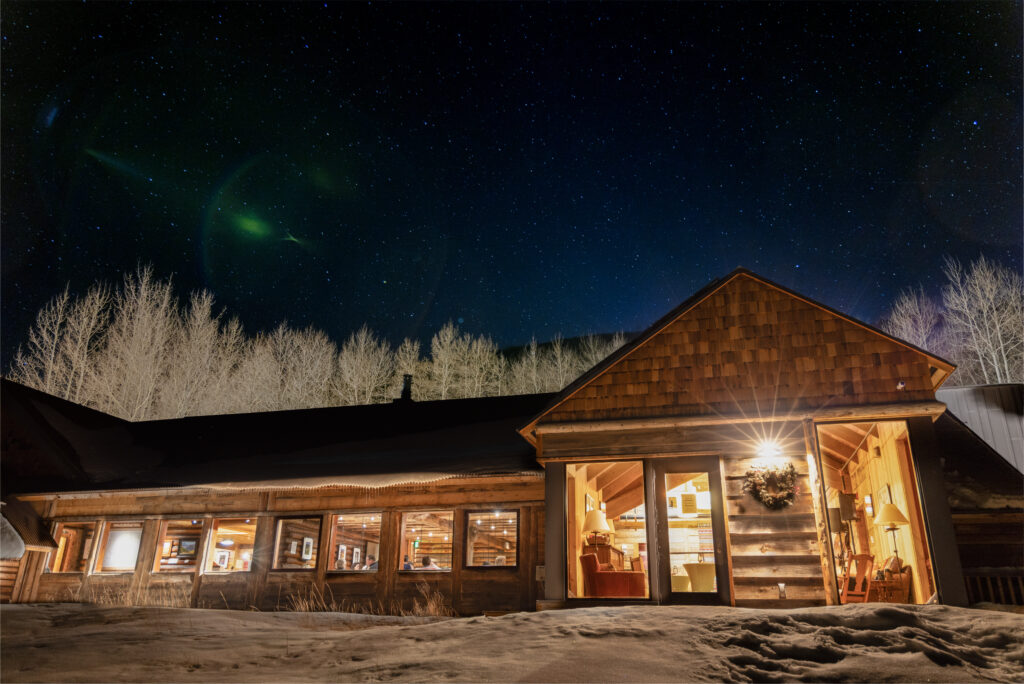
Winter Retreats in Aspen: Gather in the Snowy Castle Creek Valley at Toklat
Learn More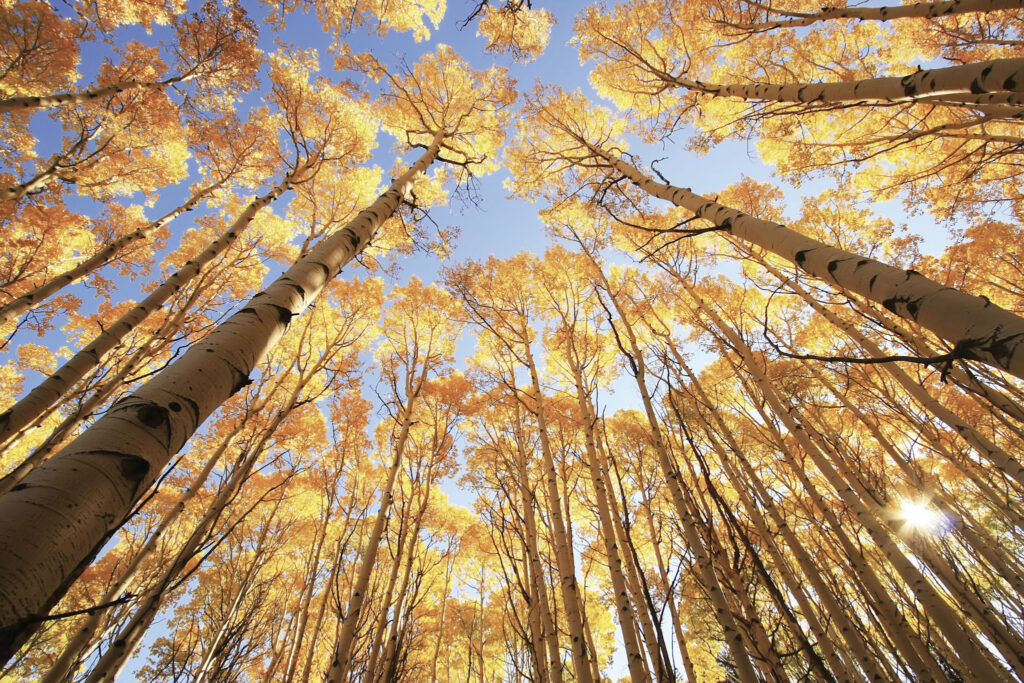
Why Aspen Trees Matter to Colorado Mountain Ecosystems
Learn More